Halyna Kruk — the self
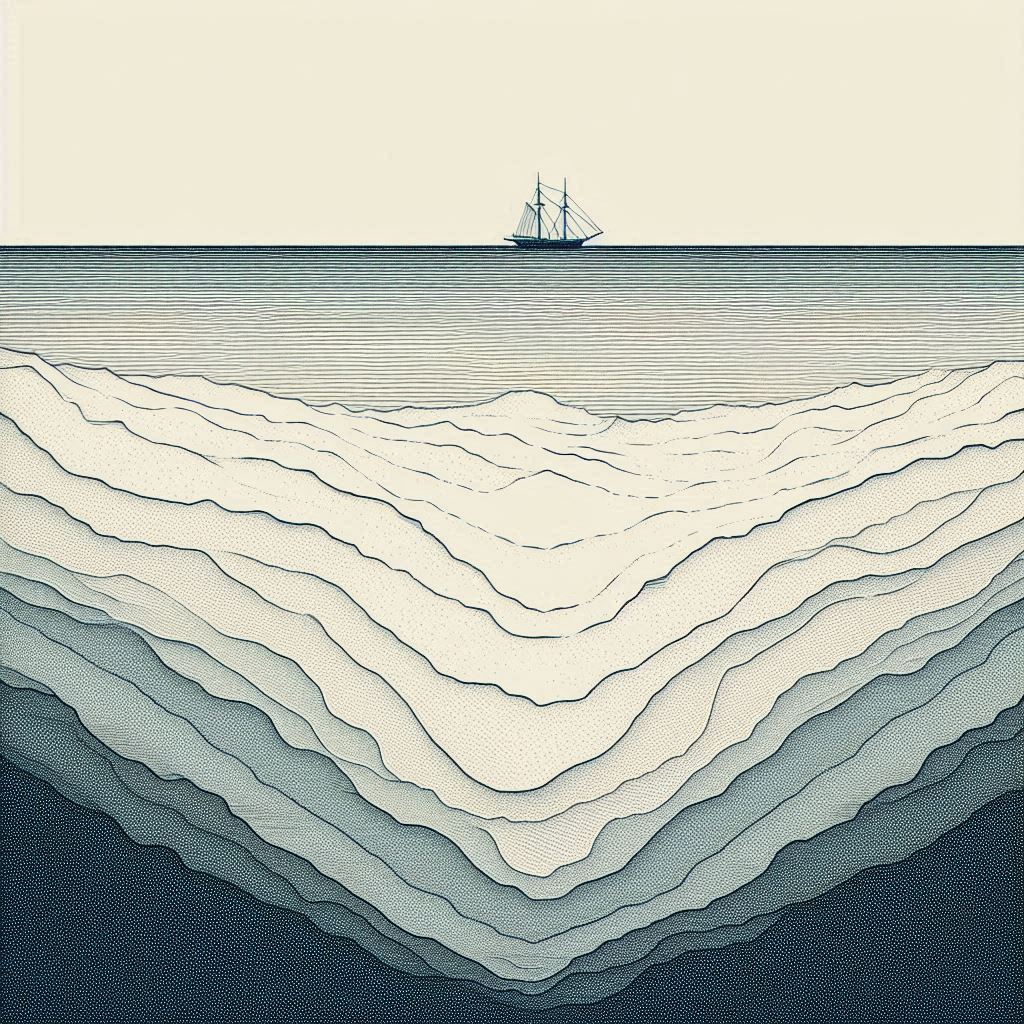
Halyna Kruk (1981–) was born in Lviv, Ukraine, and is a poet, prose writer, and doctor of philology specializing in the medieval literature of Ukraine. Her first two collections of poetry, Journeys in Search of Home and Footprints on Sand, were published in 1997, with her most recent collection, A Crash Course in Molotov Cocktails, 2022, receiving wide critical acclaim. She also writes poetry and fiction for children. Kruk’s is a poetic language that is profoundly intimate, painful in its frequent drawings upon both personal and collective experiences of violence, war, and loss, but gentle in its weaving together of familiar tropes, metaphors, and schemas. There is a timeless quality to Kruk’s verse, achieved via a skillful combination of intertextuality (a drawing upon the classical or canonical), but also through a persistent gesturing towards the eternally inarticulable, or questioning of language, time, and history as frameworks through which we may come to successful terms with the self. Through her poetry, Kruk conducts something of a backwards glance, and frames memory, history, and experience as something spatial, to which we might physically return. She draws frequently upon the metaphorical potency of the water, or littoral space, to this particular end – particularly in its capacity to embody processes of eternal transition, transgress definitional thresholds, or preserve remnants of the past– as does the human body – deep beneath its surface.
Excerpt:
there was such a heat wave,
that even the cooling off of relationships was like a blessing
more than moving on, summer squeezed the last juices from us
melted them into something else, not necessarily better
I don’t trust my body anymore,
but nothing will replace it for me, a body is a body
sometimes the world is limited by the rims of a sunhat,
the crevice between breasts, knees on the horizon
I don’t see you, my body, my focus is out into the distance,
where the line of the sea almost breaks at the edges,
like pursed lips, reminding us that the earth is round
there are things, which you have to believe in, even if you have not
experienced them:
the physics and hollowness of the body,
the mechanics of an inner movement upward, the optics of enlightenment.
there still has not been a summer when we have read the whole list of
literature,
something always seemed unnecessary, too old, not to our liking
the last cricket of summer finds my first wrinkle
and lodges there forever
with a high frequency sound, from which there is nowhere to hide
my dear body, we have passed a critical point,
we are moving in the direction of even greater discomfort:
senseless disco on the beach, endless shouting of someone’s children
prickly sand underneath my swimsuit,
the sea beats and bets
that we won’t ever come back here
the same never the same
Explanation:
Ukrainian poet Halyna Kruk’s [the self] (2021) is a poem of profound reflection upon physical boundaries as thresholds of perception, knowledge, and subjectivity. Across the almost visceral, material landscape of this poem, she engages with the littoral horizon as an ontological limit. Presenting a “world [that] is limited by the rims of a sunhat,/ the crevice between breasts, knees on the horizon”, Kruk reckons with “the physics and hollowness of the body,/ the mechanics of inner movement upward, the optics of enlightenment.”, and passage of time: “my dear body, we have passed a critical point.”
Citation: Kruk, Halyna. the self. Trans. Olena Jennings, Ukrainian Literature: A Journal of Translations, edited by Maxim Tarnawsky, vol. 6, Shevchenko Scientific Society of Canada, 23 Nov. 2021, pp. 91. Ukrainian Literature, tarnawsky.artsci.utoronto.ca/elul/Ukr_Lit/Vol06/.