Database for Diveristy and Inclusion in German Studies: Cultivating DIB in and beyond the canon

Margarete Susman on the Nature of Love

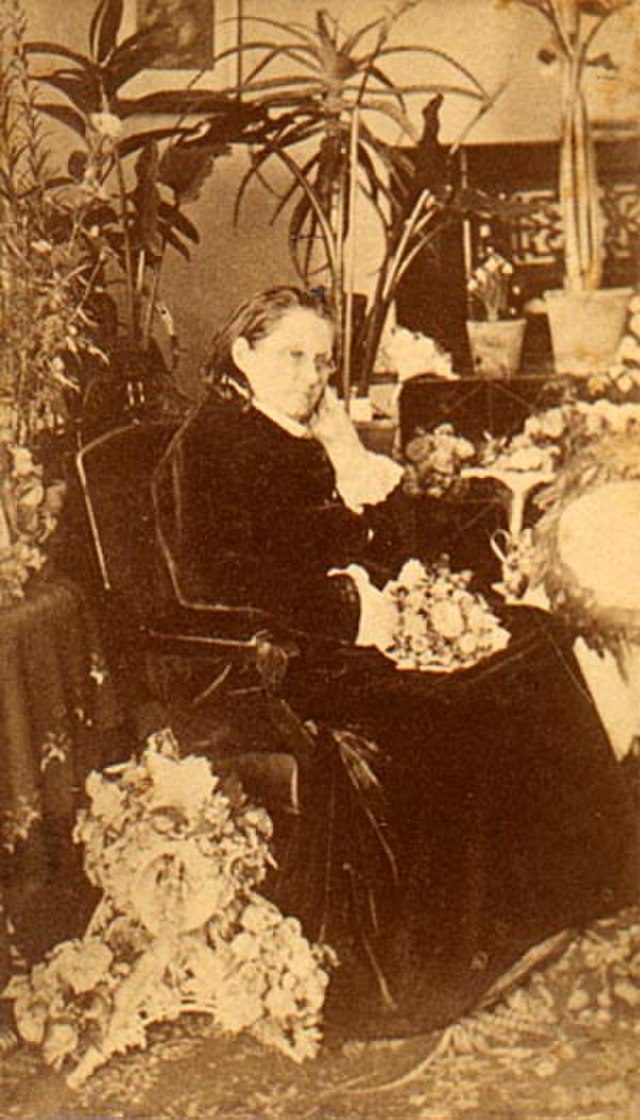
Margarete Susman was a German-Jewish poet and philosopher, who penned numerous poems, prose works, newspaper articles, essays, and longer philosophical works that explored questions of gender, Jewishness, and modernity. Initially, Susman was prevented from pursuing an education by her father, and it was only after his death that she enrolled, unofficially, in the lectures of the sociologist Georg Simmel. Susman regularly attended salons at the Simmel’s residence, where she met and discoursed with major philosophers and critics, including Martin Buber, Ernst Bloch, Georg Lukacs, Siegfried Kracauer. In addition to discussions of recent developments in the field of philosophy, which appeared in the Frankfurter Zeitung between 1907 and 1932, Susman reflected in a number of major publications on the role of women in the age of modernity. In Der Sinn der Liebe (1912), for example, the philosopher contributes a metaphysical account of the nature of love as the painfully unfulfilled wish to overcome alterity through the union with another and discusses not only power dynamics between men and women, but also the experience of love between women and children. Susman’s observations regarding the relative emancipation of women during the interwar period are likewise compelling, as she reflects on the irony that it is only after the collapse of the European patriarchies that women were able to gain certain fundamental rights. Susman’s Jewish faith represents the other important focus in her philosophical writing. Coming from a family of assimilated Jews, like many other Jewish Germans of the turn of the century, Susman developed a commitment to faith only later in life, which informed her thought from the earliest phases until the end of her life.
Susman’s work, particularly her poetry and writings on Judaism, underwent a period of rediscovery in the 1990s, but it is only recently that she has been discussed also as an important philosopher in her own right, as well as a significant figure in the history of women’s liberation in Germany. Her philosophies on love, her concepts of women’s rights, her reflections on Jewish survival after the Shoah, and her convictions regarding the metaphysical destination of the human being in general all represent fascinating subjects for future research.

This page has paths:

This page has tags: