Femininity, Ecology, and Mythology in the Works of Janaina Tschäpe
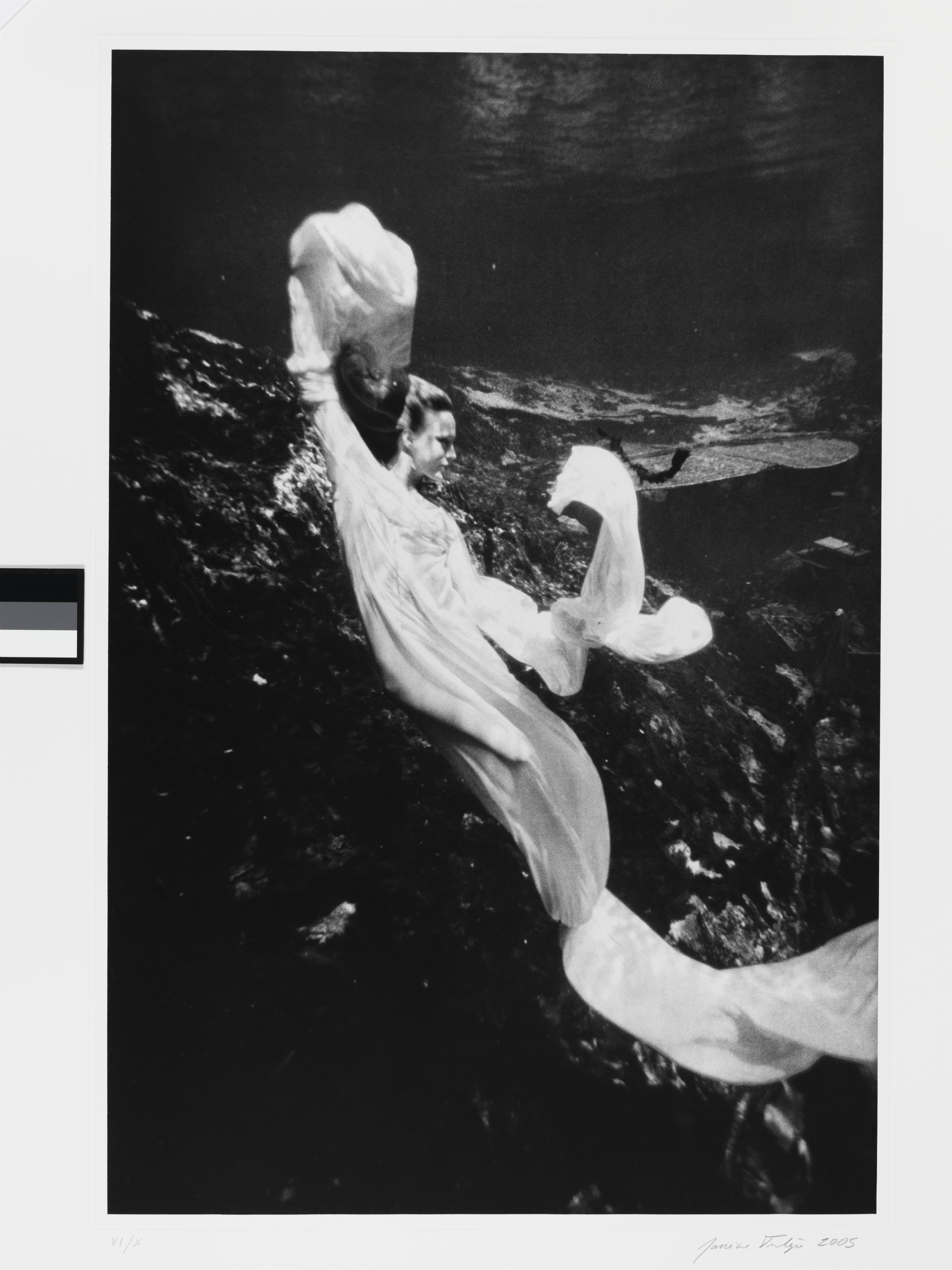
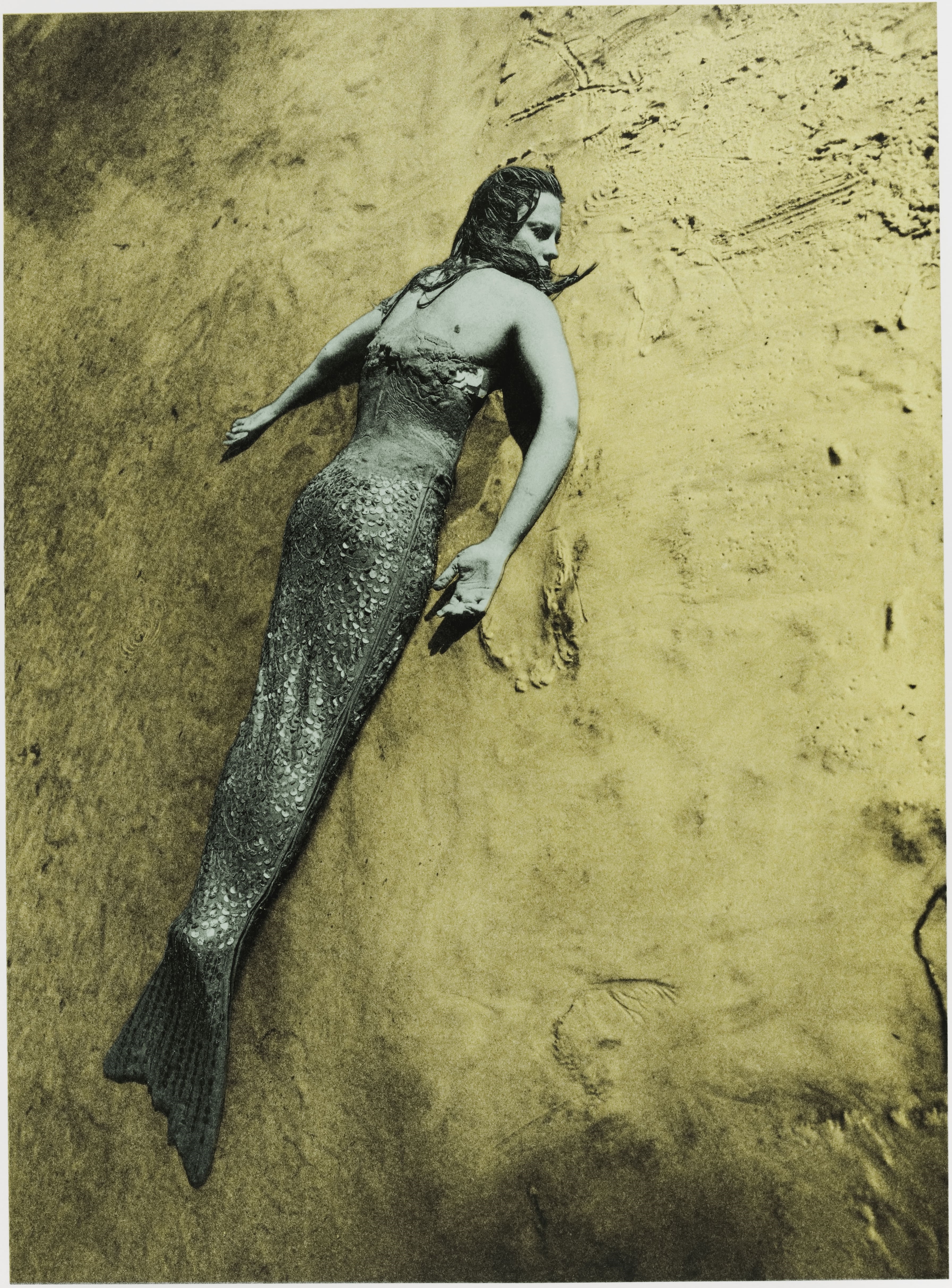
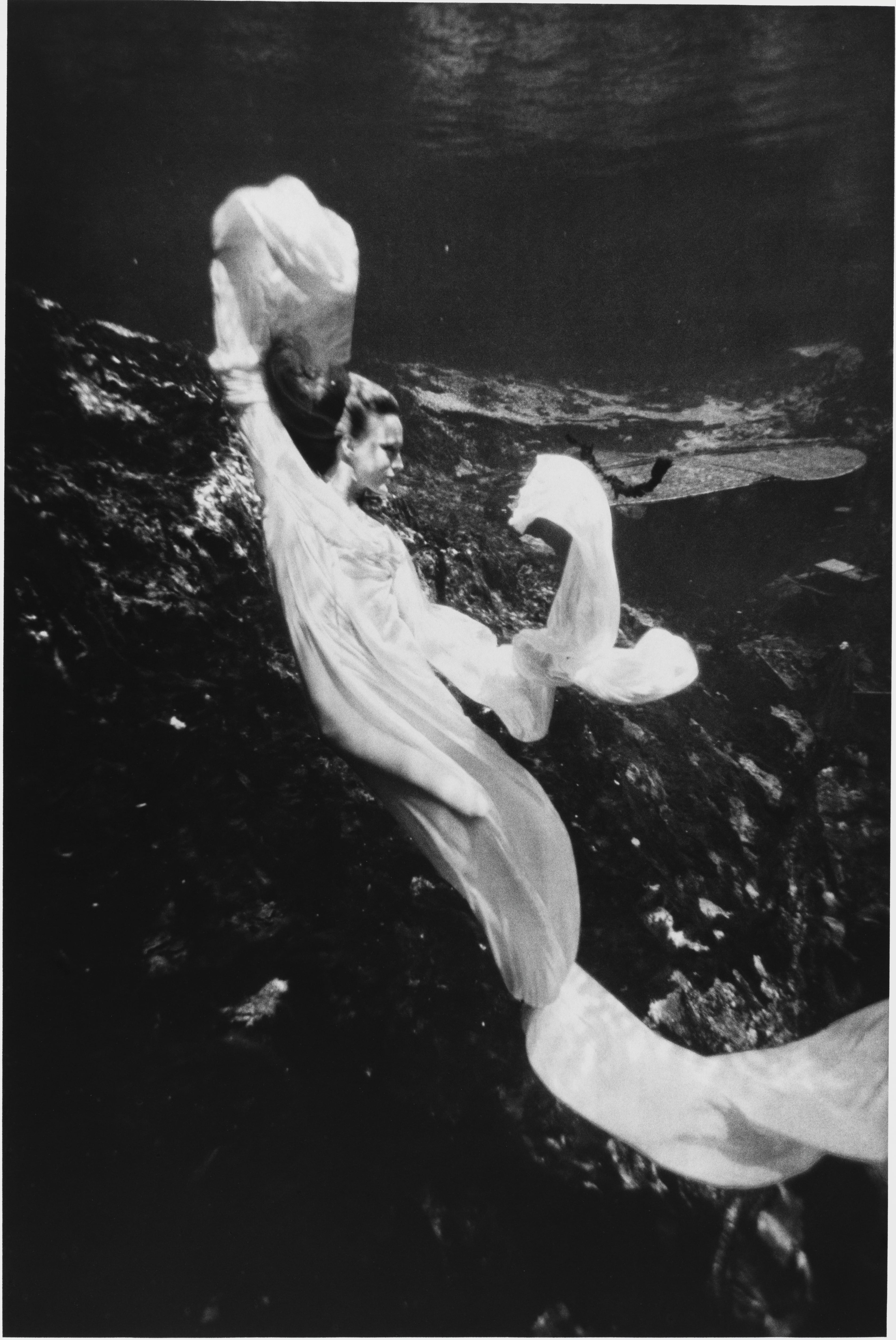
Tschäpe’s interest in the mythic realm casts into relief a web of influences and associations stretching from the late-eighteenth century to the present day. Keen observers of her works have often noted the importance of eighteenth-century theorizations of the sublime in nature, and Tschäpe herself has often cited the influence of the Romantic painter Caspar David Friedrich as a major influence. At the same time, her fantastic latex structures remind viewers of Rebecca Horn’s work with prostheses (Finger Gloves). Thus, Tschäpe’s artistic works form a bridge not just between Europe and the Americas or the mythic and the real, but also between the past and present of artistic work.
Key Questions:
There is much in her work to be explored in both the classroom setting and in scholarship, including:- themes of gender and sexuality
- intersections of sexuality and ability
- ecofeminist responses to the concept of “Nature,” as well as
- the role of the human being within the contemporary climate crisis
- the role of the arts in expanding notions of “Germanness”