Database for Diveristy and Inclusion in German Studies: Cultivating DIB in and beyond the canon

Jeanne Mammen's Weimar Caricatures

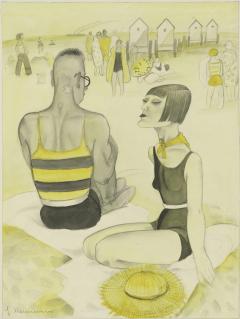
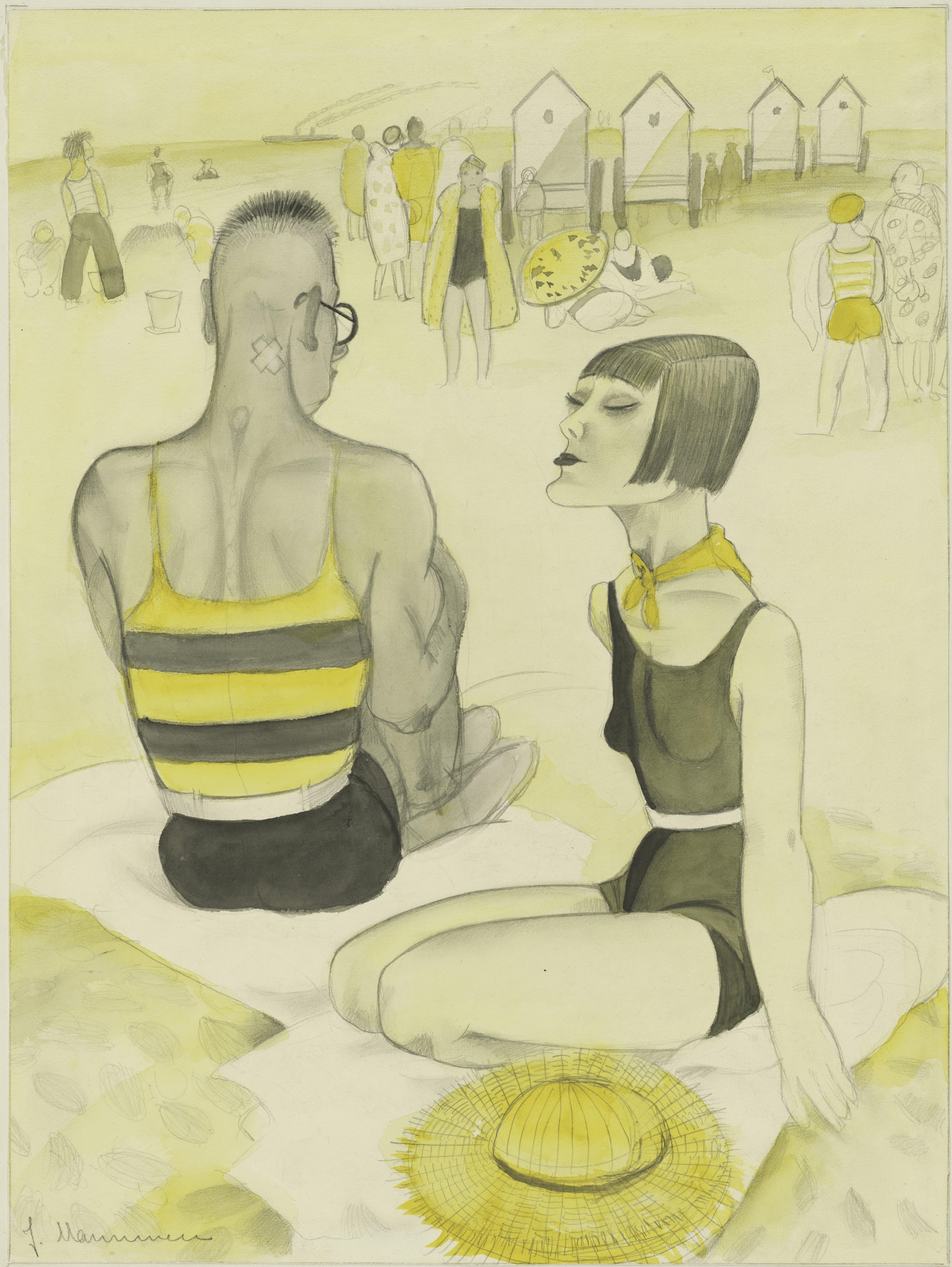
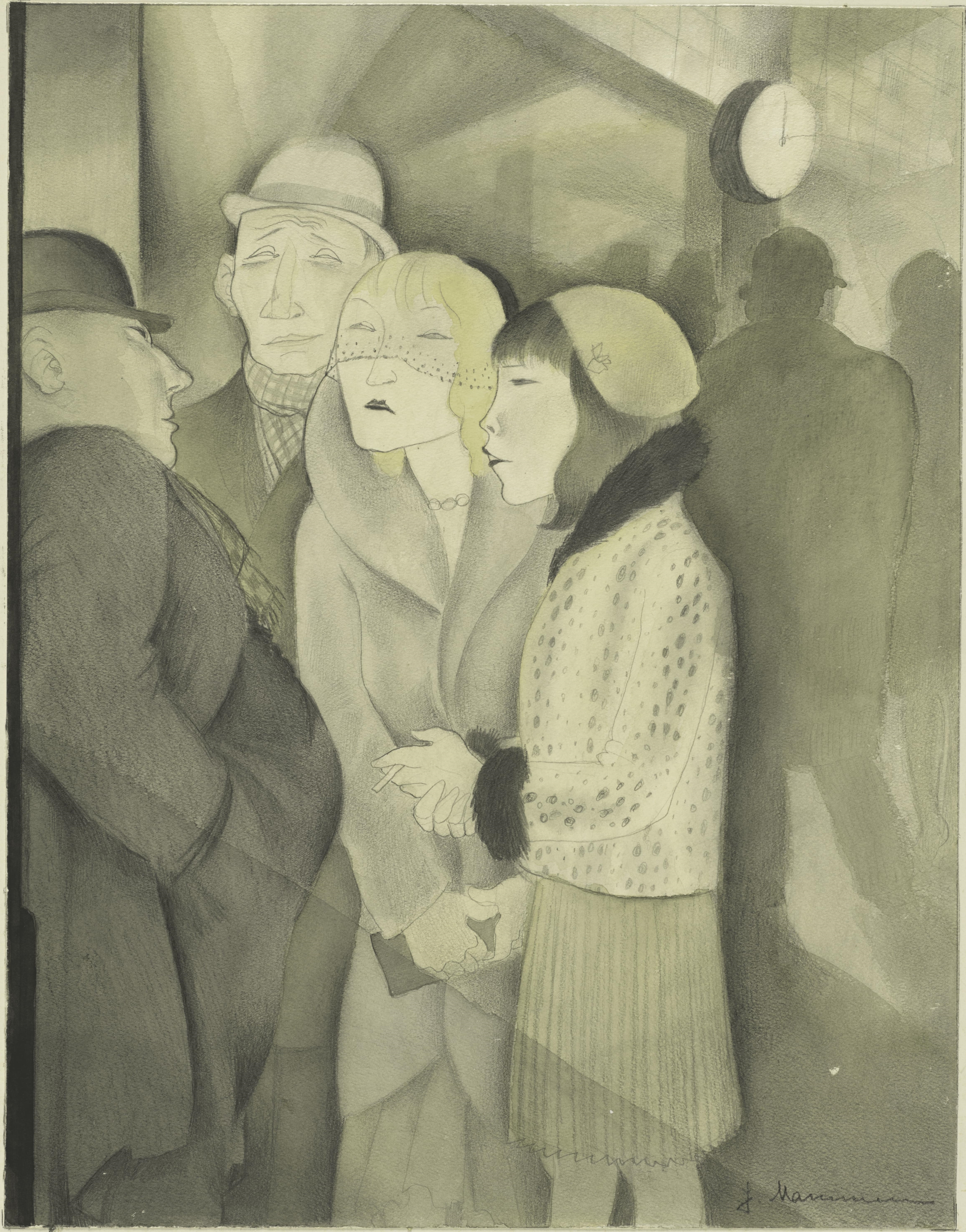
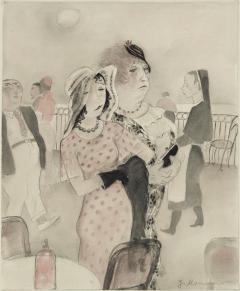
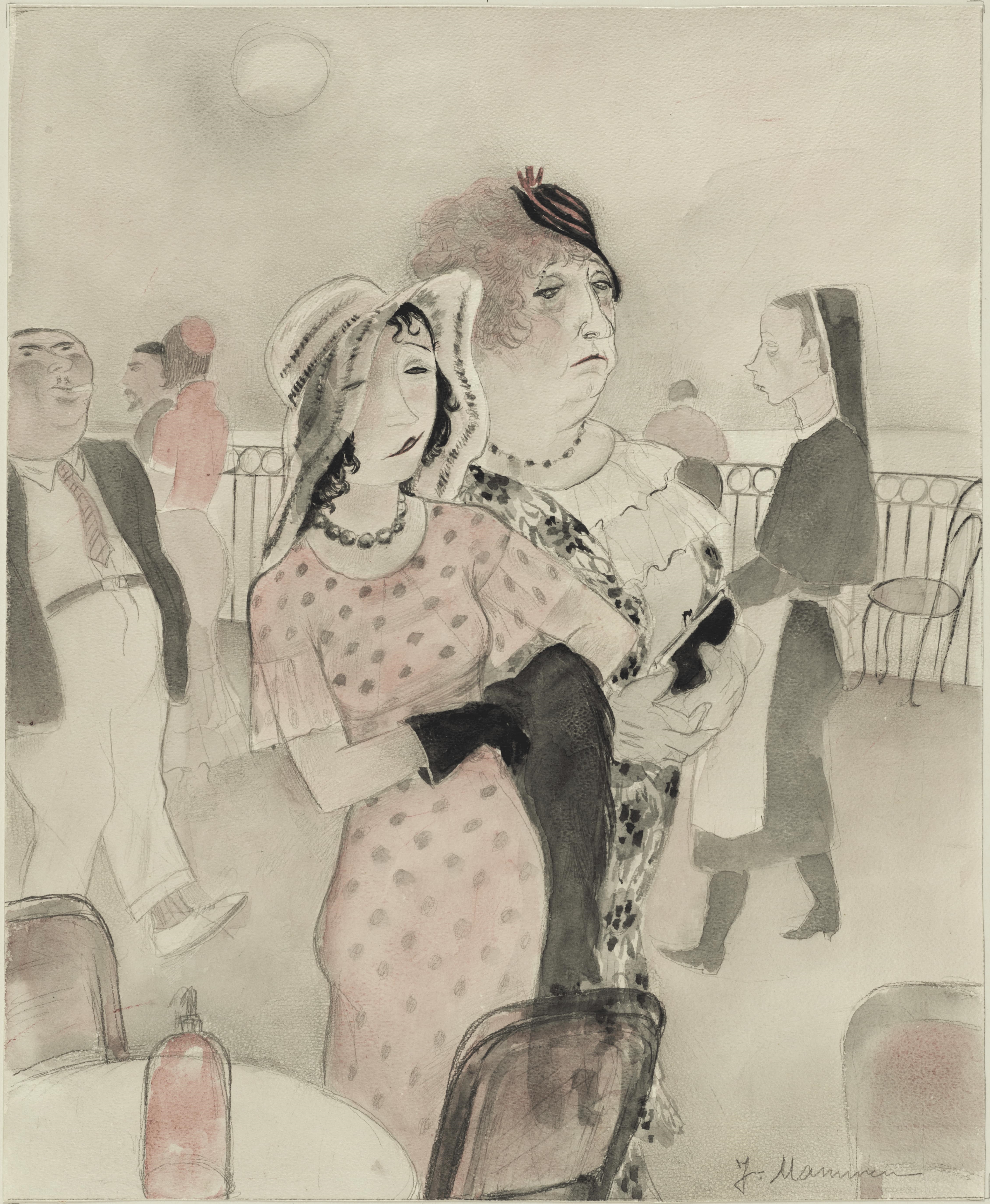
Jeanne Mammen (born Gertrude Johanna Luise Mammen) was a German graphic artist specializing in sketches and watercolors, best known for her portrayals of Berlin life during the Roaring Twenties. Mammen and her sisters all enjoyed a well-rounded education at some of the most important institutions for girls’ education in Europe at the time, including the Lycee Moliere in Paris, which played an important role in the burgeoning women’s movement and actively encouraged graduates to pursue advanced degrees in philosophy and the sciences. After completing secondary school, Mammen attended art school with her sister Mimi, and the two began highly successful careers as graphic artists first in Paris, then later in Berlin. During this period, Jeanne and Mimi both produced a number of film posters for the growing German film industry. Although Jeanne Mammen was classically trained, her works reflect a definite interest in the everything countercultural about the early twentieth century. Her work frequently depicts scenes from the streets and from clubs, images of everything from the hardships of extreme poverty and the vicissitudes of the communist uprisings to the intimacy of lesbian relationships. These portraits reveal careful observation of the character of sitters, rendered in the humorous style of caricature. In Mammen’s watercolors, the true diversity of the interwar period becomes palpable.

Mammen reminds students of Weimar Germany of the vibrancy of German countercultures between World War I and II. Her portraits might be integrated into classes which deal with this period as a kind of interlocutor with other more prominent voices, as well as in her own right. For example, students tasked with interpreting Alfred Döblin’s Berlin Alexanderplatz or Rainer Werner Fassbender’s later adaptation might reflect on the similarities and differences in how issues of poverty and sexuality are portrayed in graphic, filmic, and literary art. Mammen’s work might also be drawn into discussions of the contemporary Babylon Berlin, which likewise deals with this period. Through this contemporary reference, Mammen’s works would thus also function as a springboard for discussions of important connections between the social and political contexts of the 19- and 2020s.
This page has paths:

This page has tags:

Contents of this tag: