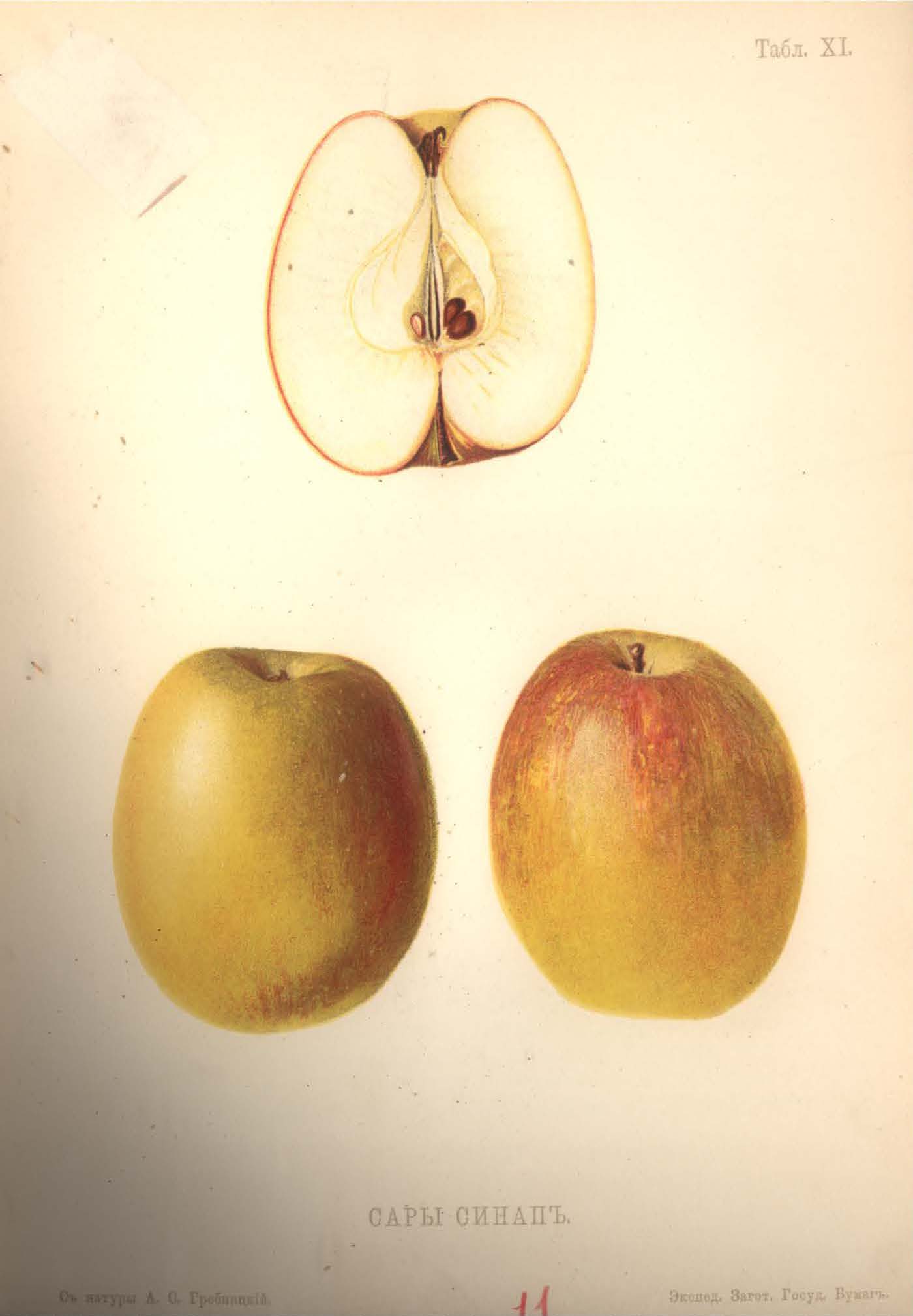
Sary Sinap apple
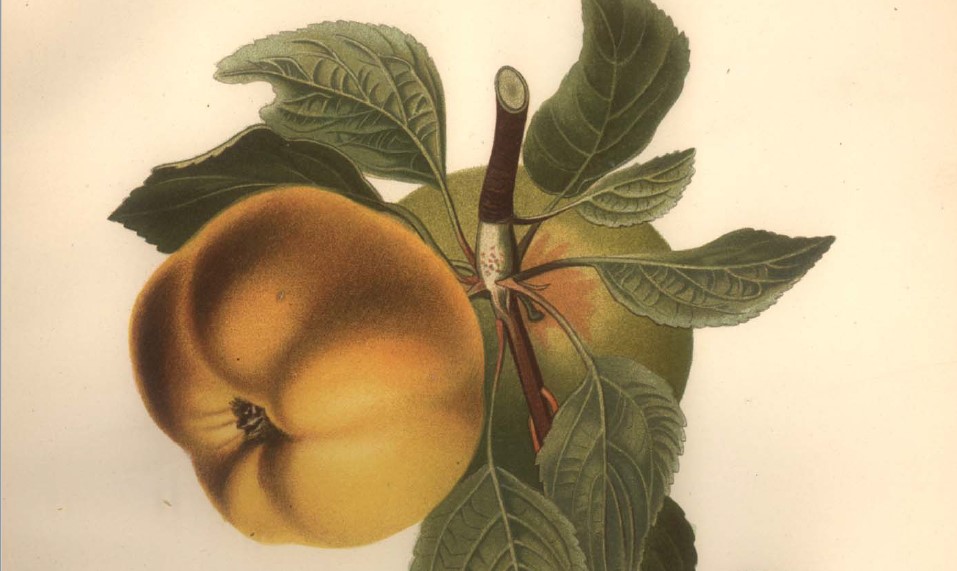
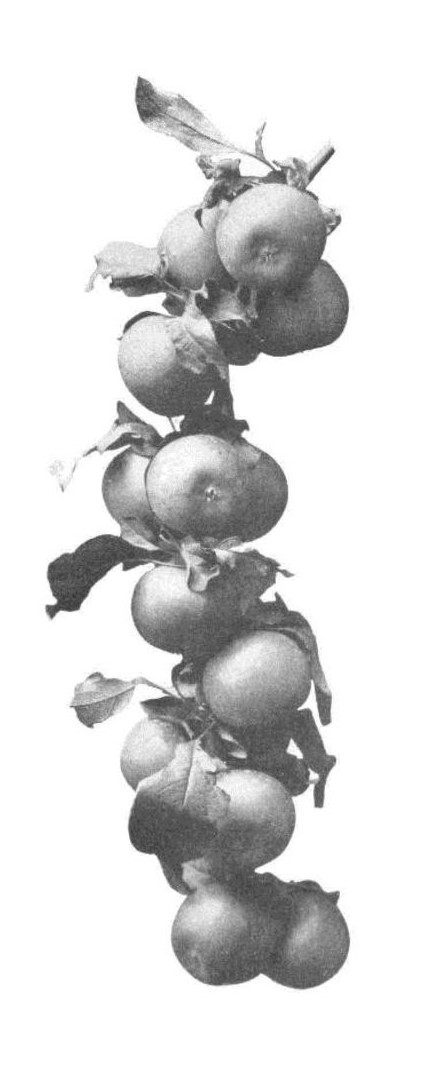
1 2022-06-27T22:25:10-04:00 Kelly O'Neill dc20b45f1d74122ba0d654d19961d826c5a557f5 9 13 Botanical lithograph of a variety that likely originated in the southern coast of the Black Sea (at Sinop) and thrived in Crimea. With the Saint Germaine pear the "alpha and omega" of Crimean orchardry. The Sary Sinop was considered a first-class market fruit, appealing for eating and cooking. Candied fruit factories used it exclusively. Yield was high, which explains why it played a crucial role in the Crimean economy despite fetching 1 ruble 50 kopeks per pood (half the price of many reinette varieties). This is the calling-card apple of Karasubazar. plain 2024-11-18T21:32:13-05:00 1700 - 1906 Atlas plodov (1906) vyp.1, no.11 Kelly O'Neill dc20b45f1d74122ba0d654d19961d826c5a557f5This page has tags:
- 1 2022-06-27T22:04:52-04:00 Kelly O'Neill dc20b45f1d74122ba0d654d19961d826c5a557f5 The Tasting Board (Fruit Gallery) Kelly O'Neill 79 or, "The Atlas of Fruits" structured_gallery 2024-03-21T00:42:35-04:00 Kelly O'Neill dc20b45f1d74122ba0d654d19961d826c5a557f5
- 1 2022-06-27T22:27:10-04:00 Kelly O'Neill dc20b45f1d74122ba0d654d19961d826c5a557f5 Apple varieties Kelly O'Neill 23 image_header 2025-03-11T01:15:34-04:00 Kelly O'Neill dc20b45f1d74122ba0d654d19961d826c5a557f5
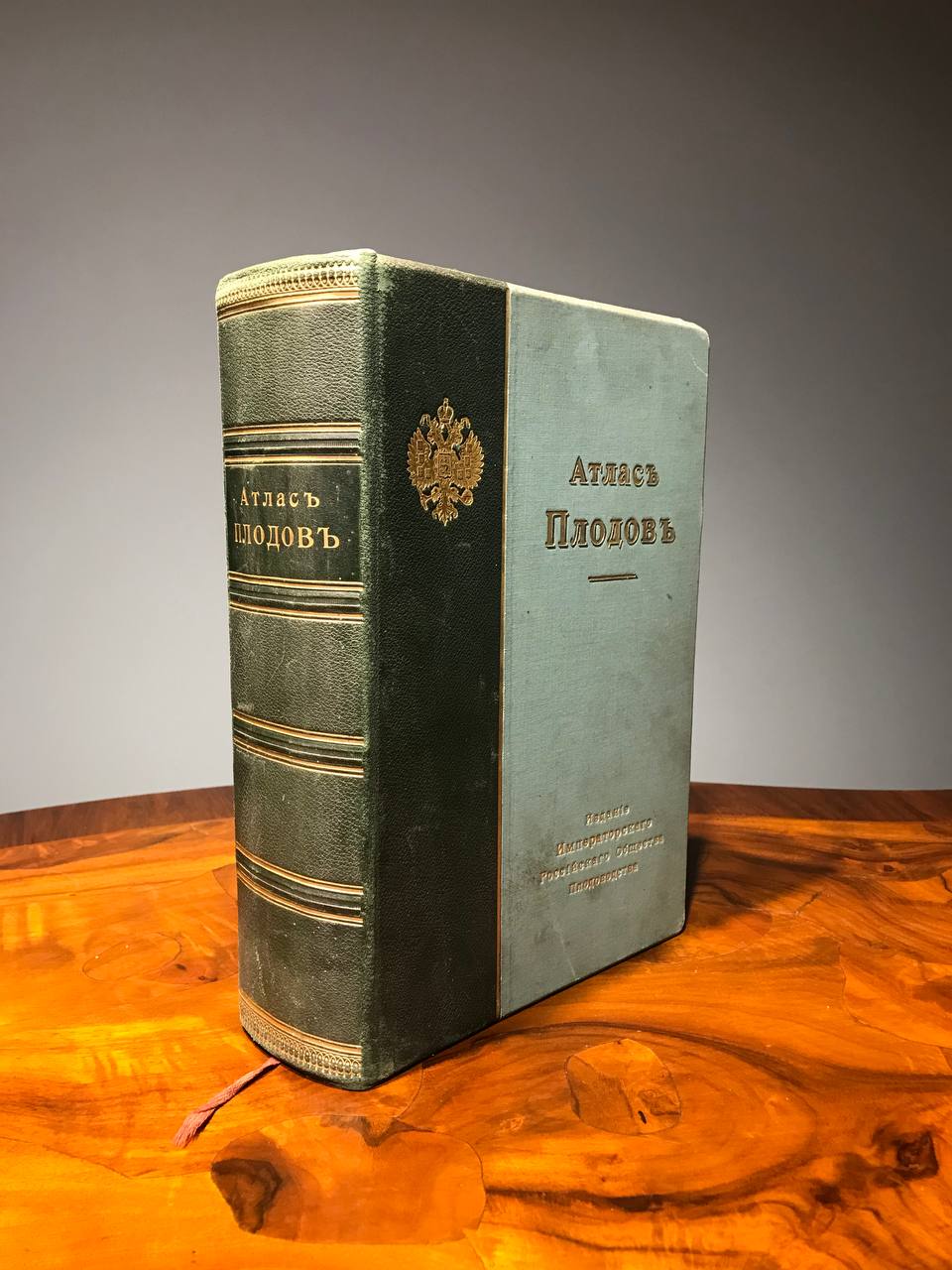
- 1 2022-07-12T13:29:22-04:00 Kelly O'Neill dc20b45f1d74122ba0d654d19961d826c5a557f5 Atlas of Fruits Kelly O'Neill 11 source sketch structured_gallery 2022-07-20T16:03:36-04:00 1906 Kelly O'Neill dc20b45f1d74122ba0d654d19961d826c5a557f5
- 1 2022-07-27T12:12:05-04:00 Kelly O'Neill dc20b45f1d74122ba0d654d19961d826c5a557f5 candy and confections Kelly O'Neill 5 plain 2025-03-11T00:50:06-04:00 Kelly O'Neill dc20b45f1d74122ba0d654d19961d826c5a557f5
This page is referenced by:
-
1
2022-05-06T15:56:43-04:00
Sweet Things: Confectioners, Chocolatiers, and A Spoonful of Economic Geography
64
Because everyone should know where to find the gingerbread-bakers.
plain
2025-03-12T17:51:27-04:00
It isn't easy to find chocolate in the archives.
Then again, it wasn't easy to find chocolate in the Russian Empire. Access to sweets has always been a function of social status. And religious beliefs. And cultural practices associated with health and family. And location. And soil quality. And the availability of steam engines. (You didn't see that one coming, did you!)
Most people see confections as a sidenote in the broader history of production, which focuses its energy on the heavy-hitters of the economy: iron, steel, and textiles. But sweet things - stuffed as they are with cream and sugar and butter and fruit - do matter.
In 1887 the Department of Trade and Manufactures published an index of factories in European Russia, and if you are researching the history of confectioners and chocolatiers this is a great place to start. Data collection across the provinces was inconsistent, but each entry in the 1887 Index includes some combination of the following:- factory owner by name and social status
- factory location by town and (sometimes) street
- annual production measured in weight and value
- number of workers
- number of steam engines and mechanized parts
- the type and quantity of confection.
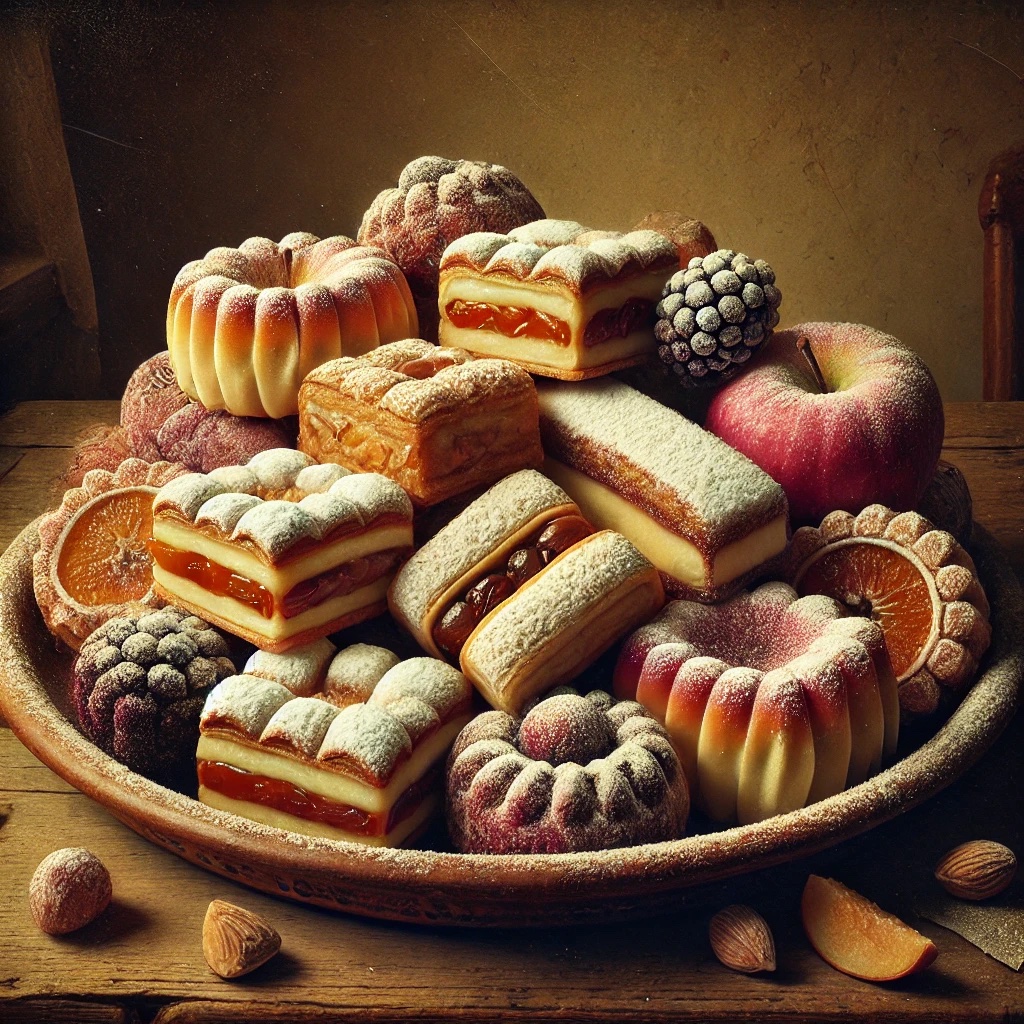
While researching the Gardens of Crimea project we learned that apples and pears and cherries played a crucial role in the production of sweets: in a region with limited access to cane sugar, confectioners processed fruits into the syrups and compotes that brought candies and pastries to life on the tongue.
Want to read more?