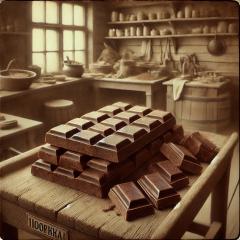
Sweet Things: Confectioners, Chocolatiers, and A Spoonful of Economic Geography
It isn't easy to find chocolate in the archives.
Then again, it wasn't easy to find chocolate in the Russian Empire. Access to sweets has always been a function of social status. And religious beliefs. And cultural practices associated with health and family. And location. And soil quality. And the availability of steam engines. (You didn't see that one coming, did you!)Most people see confections as a sidenote in the broader history of production, which focuses its energy on the heavy-hitters of the economy: iron, steel, and textiles. But sweet things - stuffed as they are with cream and sugar and butter and fruit - do matter.
In 1887 the Department of Trade and Manufactures published an index of factories in European Russia, and if you are researching the history of confectioners and chocolatiers this is a great place to start. Data collection across the provinces was inconsistent, but each entry in the 1887 Index includes some combination of the following:
- factory owner by name and social status
- factory location by town and (sometimes) street
- annual production measured in weight and value
- number of workers
- number of steam engines and mechanized parts
- the type and quantity of confection.
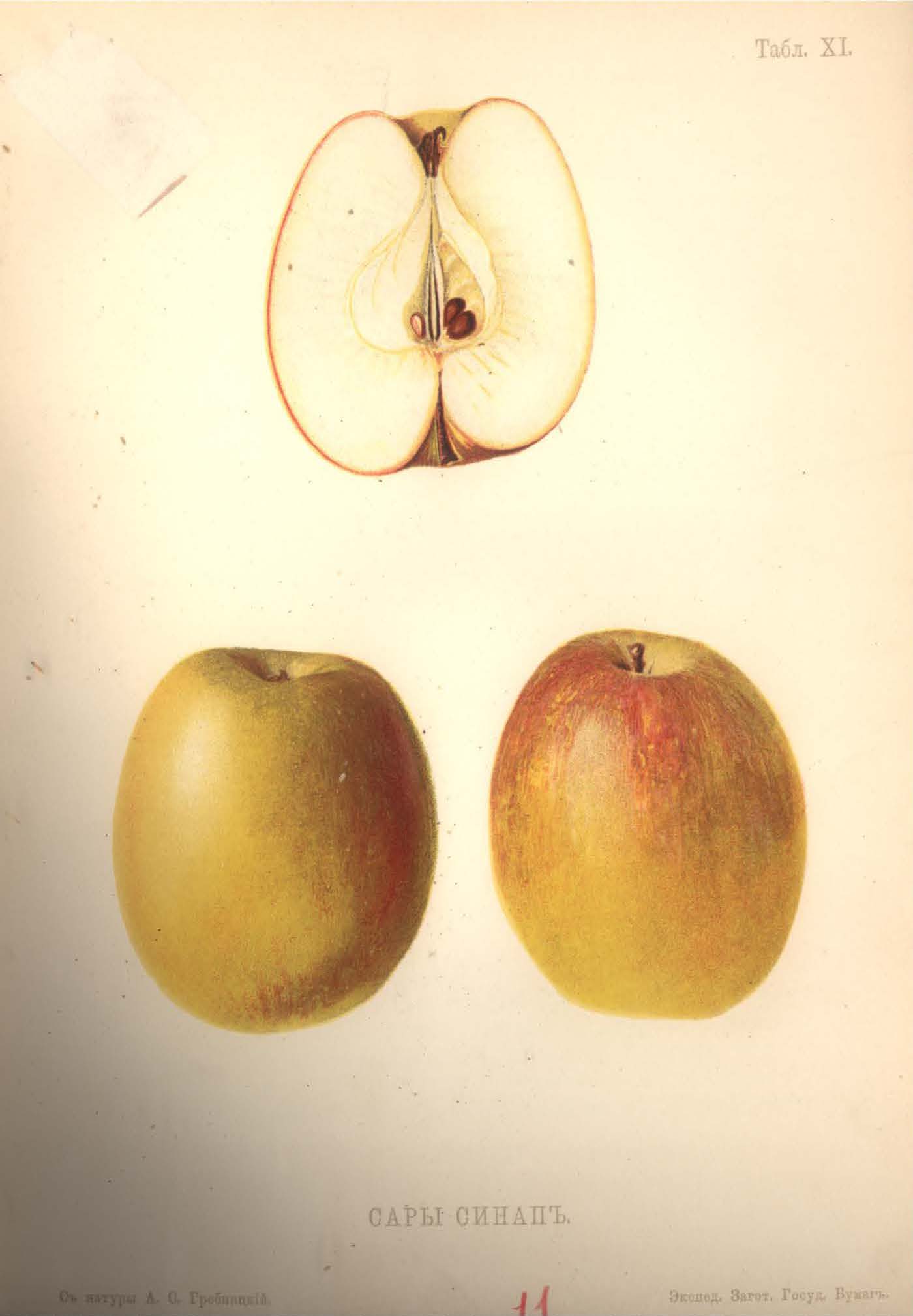
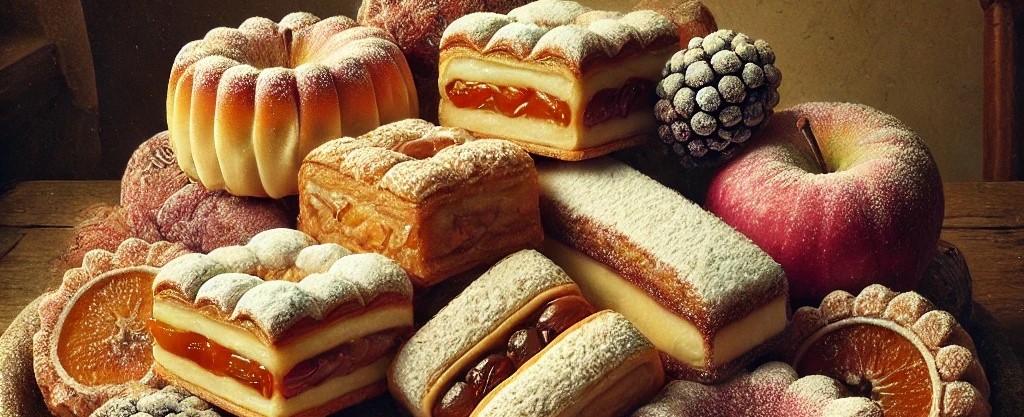
While researching the Gardens of Crimea project we learned that apples and pears and cherries played a crucial role in the production of sweets: in a region with limited access to cane sugar, confectioners processed fruits into the syrups and compotes that brought candies and pastries to life on the tongue.
Want to read more?