What does the future look like?
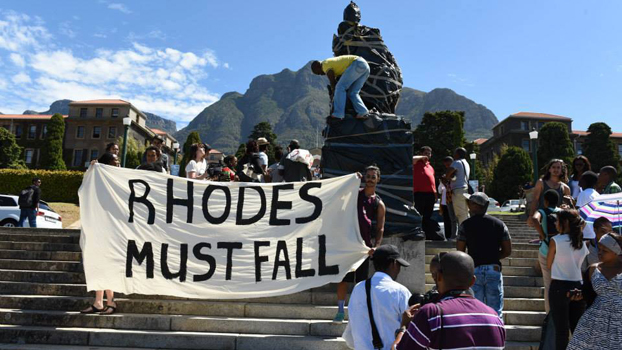
Reading, watching, listening to scholarship around decolonization is vital, but it must lay the intellectual foundation for action. The challenges are varied and take very specific localized forms, but a commitment to decolonization is key. Importantly, the movement and its figures must not be unduly glorified, as has happened with colonial figures and their statues - nothing is ideologically pure or beyond the scope of individual fallibility, as recent criticism highlights (Boddington, 2020). At the core of movements is a belief in the possibility of a better future, and a practical commitment to work towards realizing this vision.
Fundamentally, decolonizing education cannot happen in isolation from broader liberatory goals. And at the root of these goals is the promise of healing, from a long and ongoing history of violence:
"Nations too, like individuals, need to heal. And healing takes several forms. For some, healing is probing the wounds, seeking causes, pursuing redress. For others, healing is dreaming, it is an active vision during which time a future is dreamed of, shaped and put into place. For them healing is an opportunity to transform themselves out of all that suffering, all that trauma, and the heroic effort of all that overcoming. The unfortunate thing about history is that it gives us no rest, no holidays. There are no pauses; we go from struggle to struggle. The struggle to overcome and then the struggle to live, to grow, to realise the potential seeded in our bones. We go from tearing down the unacceptable to building the desirable without much of a break in the dance." - Ben Okri, 2012