The Origins of (De)Colonialism
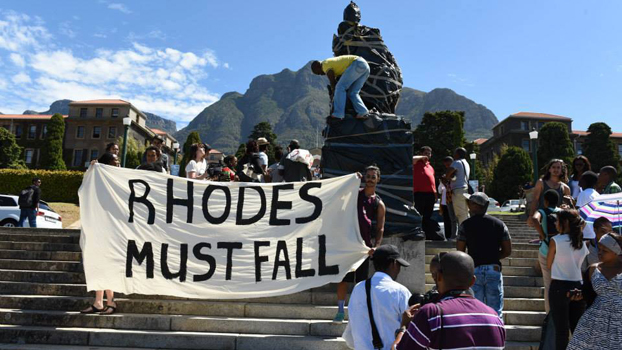
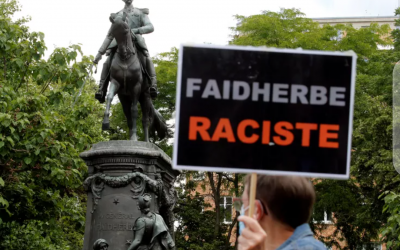
The colonial projects of colonizing countries were governmentally organized, funded, and supported, but several key individual figures emerged. These were people that played enormous roles in funding, designing, and/or practically implementing colonial rule and its constituent racist violence; Cecil Rhodes is perhaps the best-known figure in the history of the British empire, but there are many to be found in the global histories of empire, such as Louis Faidherbe and Jan van Riebeeck. Their prominence and influence meant that they were able to insert themselves directly into the narratives and structures of colonial violence - a large part of southern Africa that had been colonized by Britain was even called Rhodesia (in various iterations) after Cecil Rhodes, whose will projected a vision of Britain as the ruler of the world, dominating according to a racist hierarchy of power (Chauduri, 2016). Consequently, these figures have been memorialized through statues, often funded through the complex and inextricable interlinkages between their personal wealth, the wealth of formerly colonial governments, and the wealth of historical institutions, all of which is tied to subjugation and extraction of resources under colonialism.
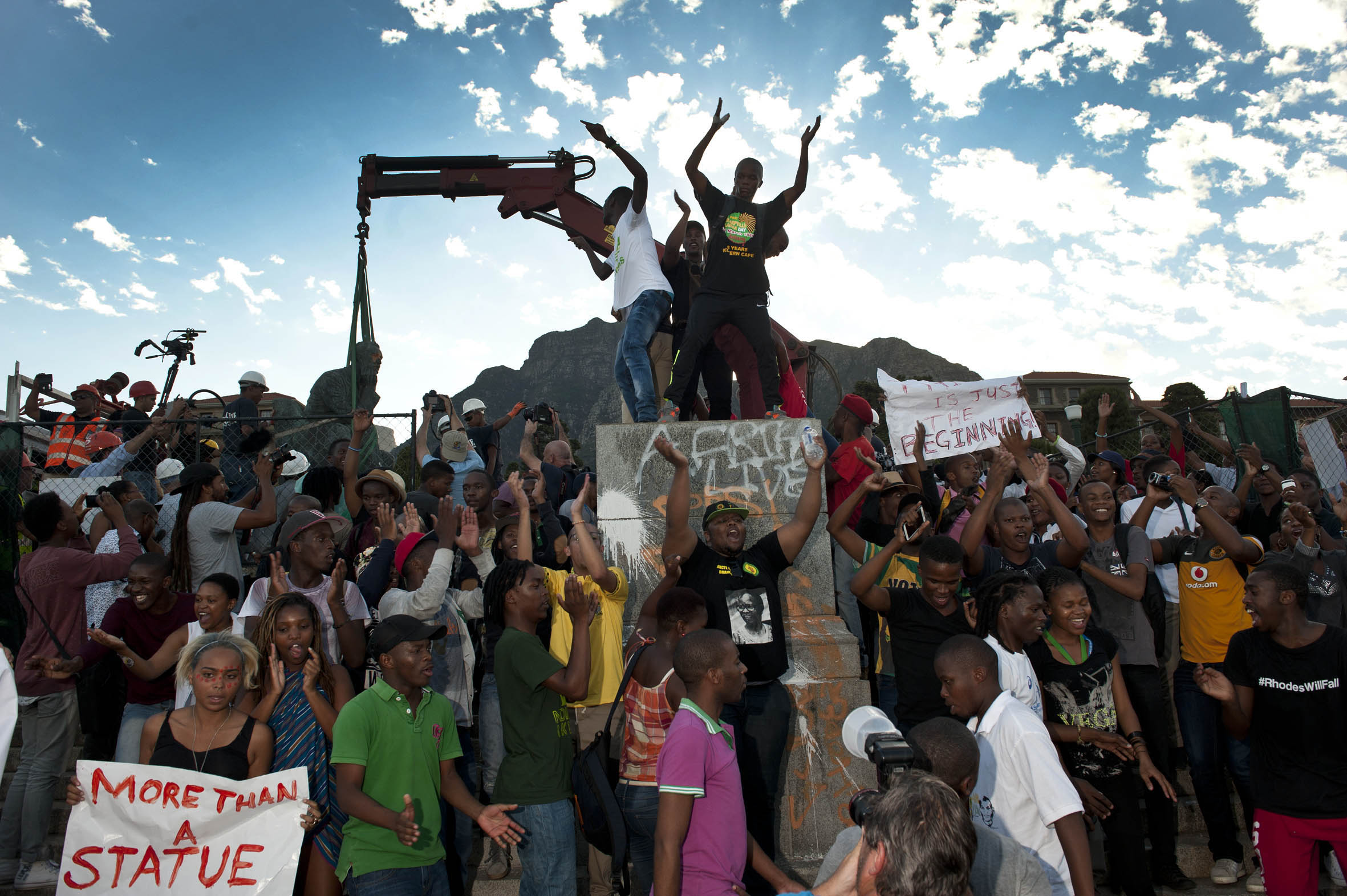
Representative figures from the Global North, such as politicians and educators, often claim that the Must Fall movements and their supporters are attempting to rewrite history, and that in fact, it is disingenuous to demand the removal of these statues. British Prime Minister, Boris Johnson, recently stated that he was pro-heritage, pro-history, and 'in favour of people understanding our past with all its imperfections' (Sheffield and Murphy, 2020). But decolonial movements argue that the neo-colonial systems being perpetuated inhibit former colonial countries (and, often, formerly colonized countries) from being able to grapple with the past. This is where decolonizing education comes to the fore. Demanding the removal of statues is not 'like some politician sneakily trying to change his Wikipedia entry', as Boris Johnson claims, but examining how 'erecting statues is part of the process of controlling memory and space by those in power' (Lalkhen and Roomanyay, 2020). Colonial statues are not complimentary to understanding the history of colonialism, because they both represent and perpetuate the ways in which the racist power hierarchies of colonialism created, and in many ways continue to underpin, the very institutions of education themselves. It is impossible to find a statue that is ideologically pure or morally neutral, because statues are material acts of political commemoration, and the Must Fall movement is not claiming that there are perfect, emancipatory replacement figures that ought to be commemorated instead. However, it is emphasizing that statues are a political act, intimately tied up to the politics of neo-colonialism, and that dealing with this requires a political counter-movement (Bobin, 2020).