The Imperiia ProjectMain MenuResearch Dashboardsmaps, visualizations, and moreVeles: The Data CatalogOngoing ProjectsThe MapMaker PodcastEvery story starts somewhere.Teach with MapsGalleriesKelly O'Neilldc20b45f1d74122ba0d654d19961d826c5a557f5The Imperiia Project // Davis Center for Russian and Eurasian Studies, Harvard University
Prevalence in tree population: less than 1% (27 trees) Occurrence rate: 37%
According to the registers, figs were fairly common but found in small numbers.
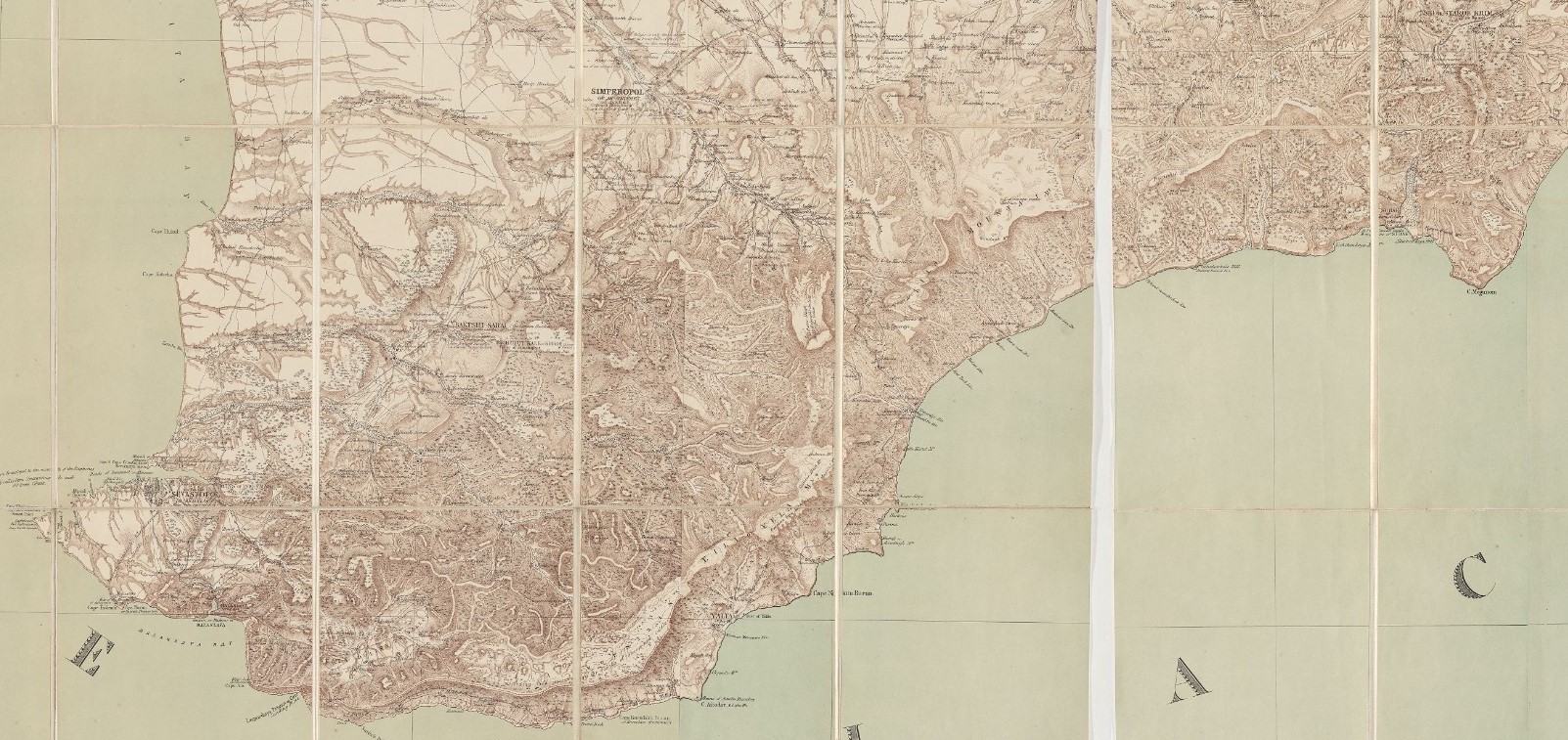
Where are the orchards?
Move your cursor over the map below. White rectangles will appear showing the locations of villages with orchards containing fig trees.
This page has paths:
12022-06-27T12:39:13-04:00Kelly O'Neilldc20b45f1d74122ba0d654d19961d826c5a557f5Fruit Tree GlossaryKelly O'Neill134Gardens of Crimea componentstructured_gallery200122025-10-24T09:22:29-04:00Kelly O'Neilldc20b45f1d74122ba0d654d19961d826c5a557f5
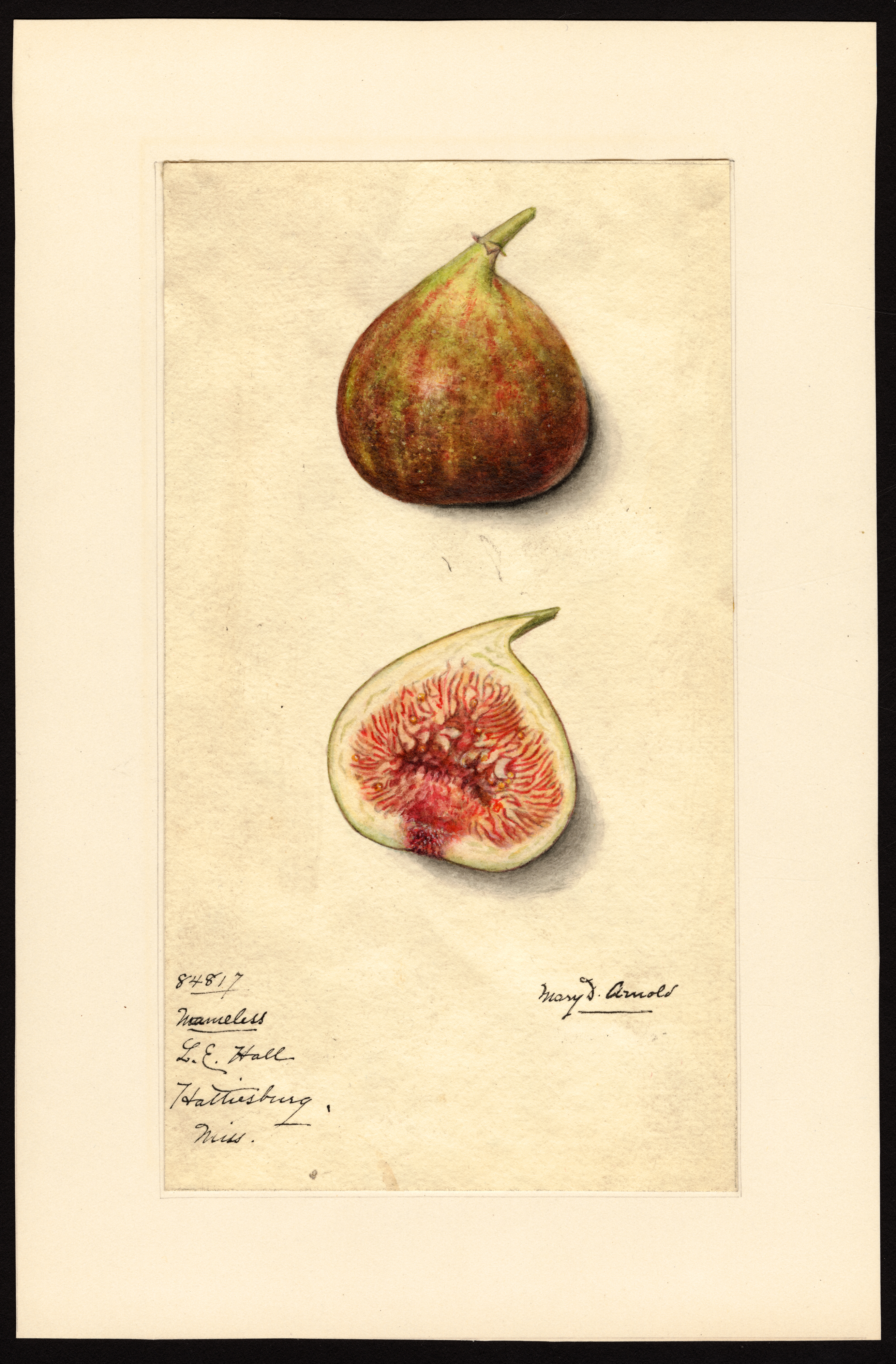
12022-06-30T13:09:49-04:00Ficus (nameless)4Botanical illustration by Mary Daisy Arnold, 1915. U.S. Department of Agriculture Pomological Watercolor Collection.plain2022-07-07T06:56:15-04:00National Agricultural Library Digital Collections [https://naldc.nal.usda.gov/catalog/POM00001044]
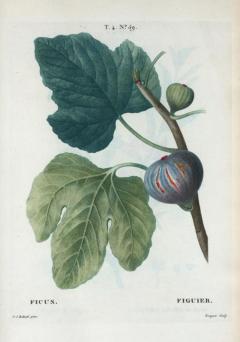
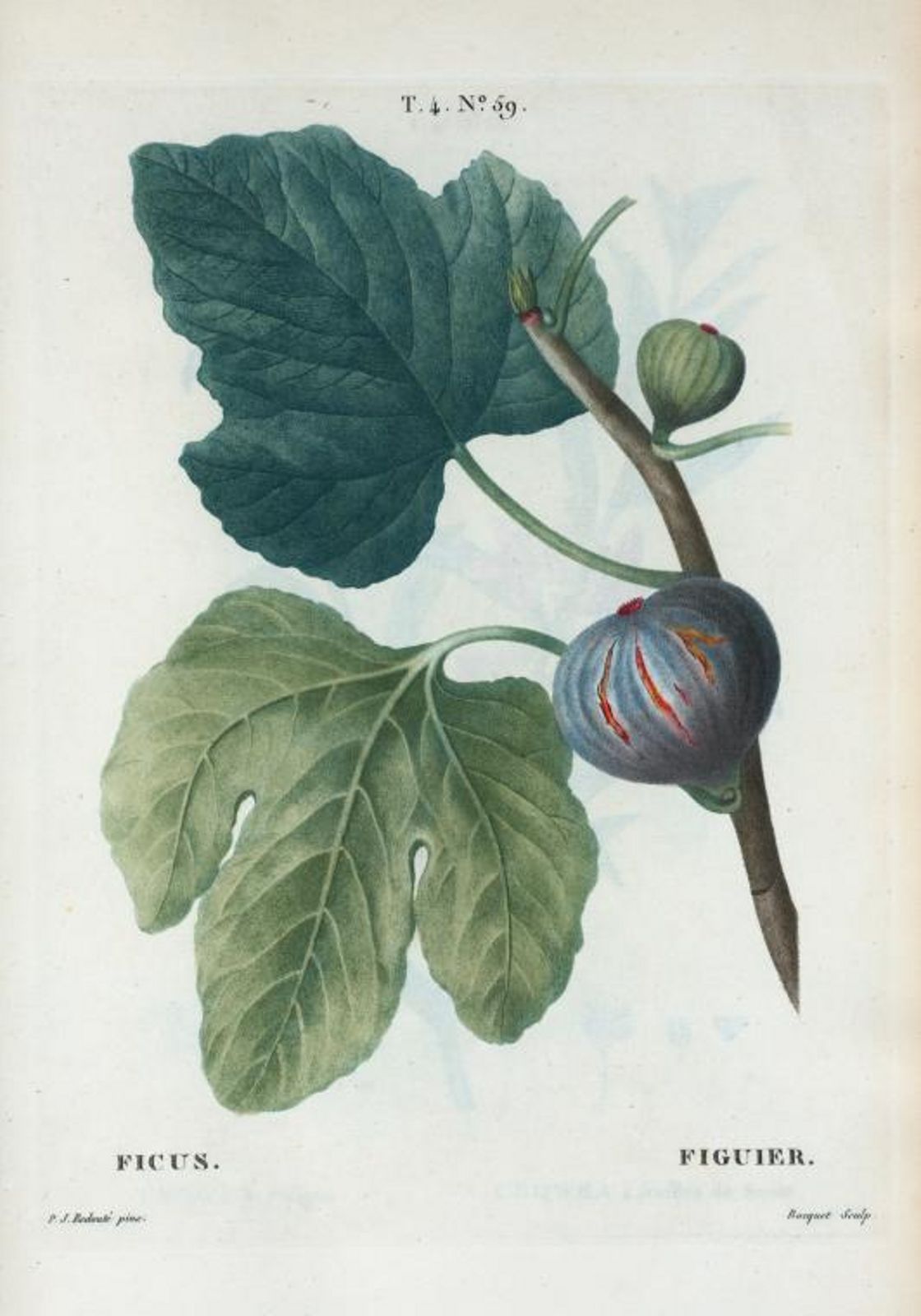
12022-07-07T05:52:55-04:00Ficus (Fig)4Botanical illustration by Pierre Joseph Redouté, 1801-1819plain2022-07-07T12:51:28-04:00
12022-07-06T15:45:28-04:00Orchard locator map3Military-topographical map by Semyon Mukhin (1817), edited and translated by Thomas Best Jervis (1855)plain2022-07-06T17:01:19-04:00courtesy of Harvard University, Harvard Map Collection