pastila (slice)
1 2025-03-10T17:33:05-04:00 Kelly O'Neill dc20b45f1d74122ba0d654d19961d826c5a557f5 9 1 plain 2025-03-10T17:33:05-04:00 Kelly O'Neill dc20b45f1d74122ba0d654d19961d826c5a557f5This page is referenced by:
-
1
2022-05-06T15:56:43-04:00
Sweet Things: Confectioners, Chocolatiers, and A Spoonful of Economic Geography
93
Because everyone should know where to find the gingerbread-bakers.
plain
2025-03-14T11:44:20-04:00
It isn't easy to find chocolate in the archives.
Then again, it wasn't easy to find chocolate in the Russian Empire. Access to sweets has always been a function of social status. And religious beliefs. And cultural practices associated with health and family. And location. And soil quality. And the availability of steam engines. (You didn't see that one coming, did you!)
Most people see confections as a sidenote in the broader history of production, which focuses on the heavy-hitters of the economy: iron, steel, and textiles. But sweet things, filled as they are with cream and sugar and butter and fruit, matter. As Darra Goldstein points out in the introduction to the Oxford Companion to Sugar and Sweets, "sugar was once rare, prized not only for its sweetness but also for its preservative properties." To desire sugar is to be human, but for most of history its consumption was a practice of the wealthy. In Europe, the ability of the lower classes to satisfy their craving is the story of the 19th century boom in sugar beet production. Until then, most people consumed sweets made with honey or fruit. They prepared them at home and served them on plates at the holiday table.A Slice of History: Industrialization in the Russian Empire
In 1887 the Department of Trade and Manufactures, part of the Ministry of Finance of the Russian Empire, published an index of factories operating in what was known as European Russia and the Kingdom of Poland. If you are researching the history of confectioners and chocolatiers, or generally interested in the sweets revolution of the later 19th century, this is a great place to start. The volume organizes factories producing foodstuffs into subsections for 1) flour milling, 2) cereals, 3) butter, 4) starches, 5) treacle, 6) malt, 7) pasta, pryaniki and confections, 8) coffee and its surrogates, 9) preserved meats, 10) cheese, 11) yeast, 12) vinegar, 13) artificial mineral water and sparkling beverages.
Data collection across the provinces was inconsistent, but each entry includes some combination of the following:- factory owner by name and social status
- factory location by town and (sometimes) street
- annual production measured in weight and value
- number of workers
- number of steam engines and mechanized parts
- the type and quantity of confection.
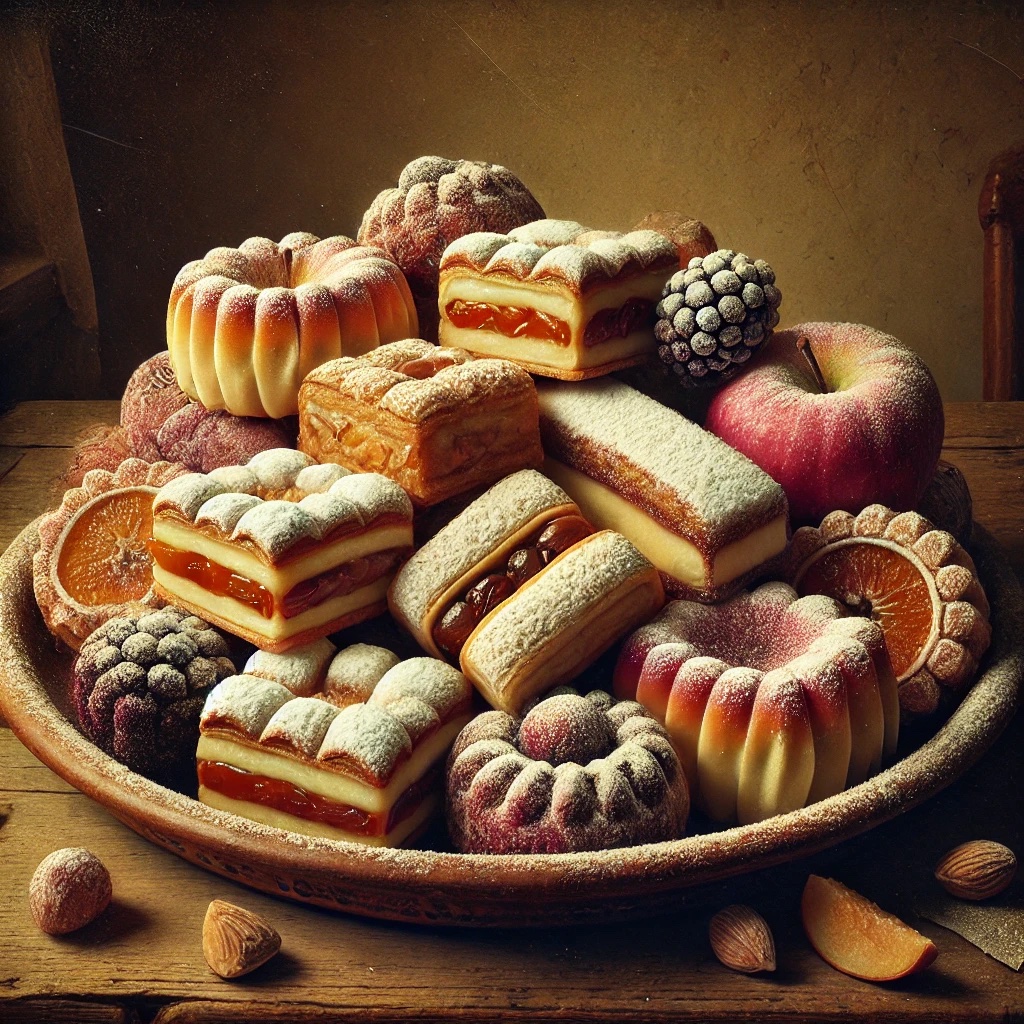
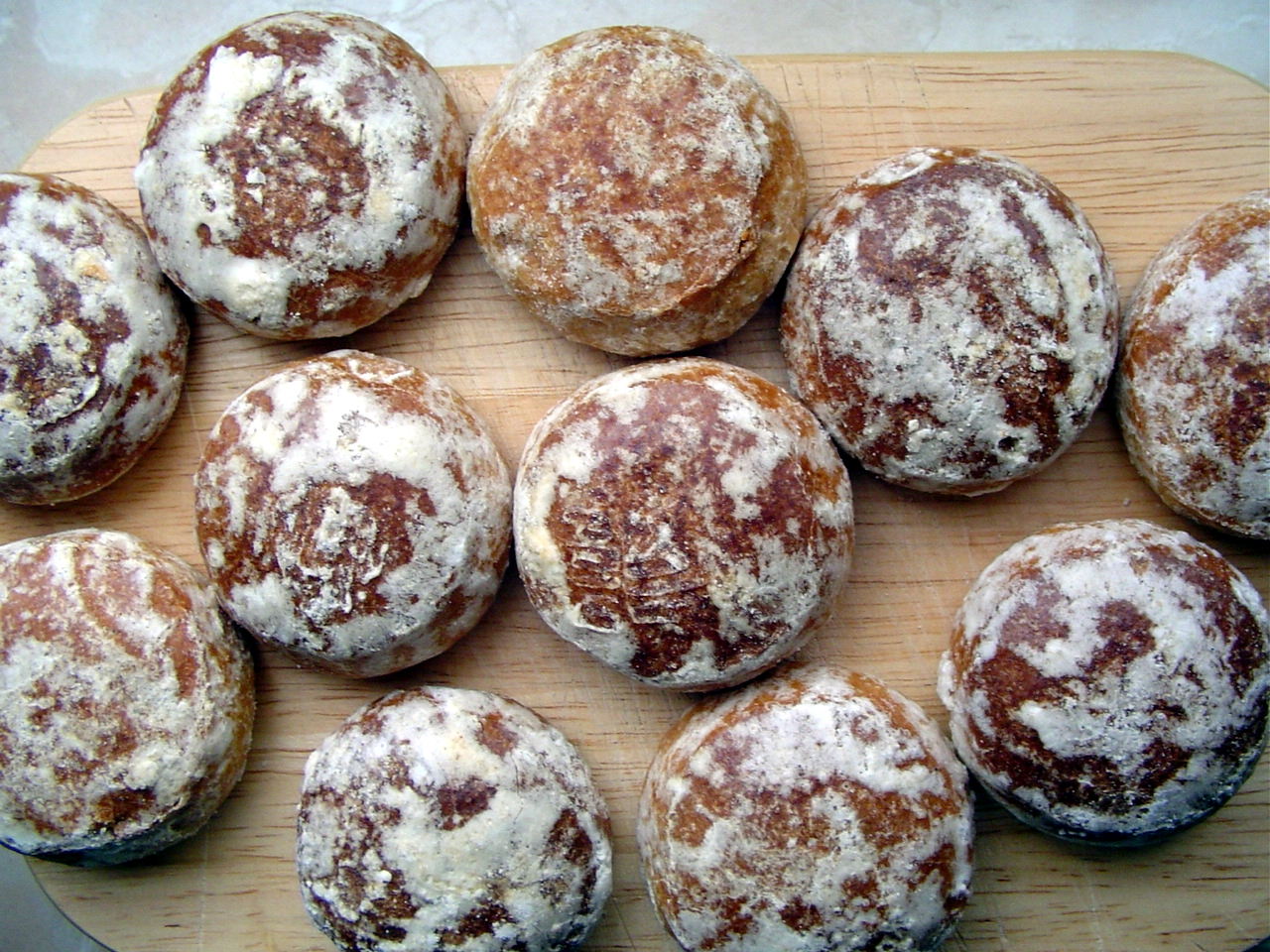
Flip through our confection gallery below to get a sense of the goods. When you are ready to find out what we can learn from this landscape of sugar and pastry, explore the links at the bottom of the page.