The Imperiia ProjectMain MenuResearch Dashboardsmaps, visualizations, and moreOngoing ProjectsThe MapMaker PodcastEvery story starts somewhere.Teach with MapsGalleriesKelly O'Neilldc20b45f1d74122ba0d654d19961d826c5a557f5The Imperiia Project // Davis Center for Russian and Eurasian Studies, Harvard University
Data security. Data-driven decisions. Data mining. Data science. Big data...
You get the idea: data is everywhere. You consume it, you produce it. But what is it, really? According to the Oxford English Dictionary, we use the word "data" to describe related items of (chiefly numerical) information considered collectively, typically obtained by scientific work and used for reference, analysis, or calculation.
That may or may not resonate with you. Maybe you think of data as structured information. Maybe you think of it as magic or the ultimate source of power in the modern world. However you define it, you will most likely agree that data is a valuable commodity. The better the quality, and the harder it is to obtain, the more it is worth.
Archives and libraries are filled with related items of information, but converting the documentary record of the human past into data that is both usable and meaningful requires labor and expertise (and a lot of coffee).
That is where we come in.
We provide freely-accessible, well-documented, utterly fascinating data about the world that was once the Russian Empire to a primarily English-speaking audience. Why do such a thing? It's simple. Our goal is to lower the barrier for spatial analysis so that students, scholars, and members of the public can connect the tsarist past with today's technology.
If you find yourself making use of our datasets, or have ideas for a new one, we would love to hear about it. Email imperiia@fas.harvard.edu or hit us up on Twitter @ImperiiaProject.
12018-01-23T02:25:36-05:00Kelly O'Neilldc20b45f1d74122ba0d654d19961d826c5a557f5The Imperiia ProjectKelly O'Neill380What can we learn about an empire by mapping it?image_header2025-09-23T01:09:35-04:00Kelly O'Neilldc20b45f1d74122ba0d654d19961d826c5a557f5
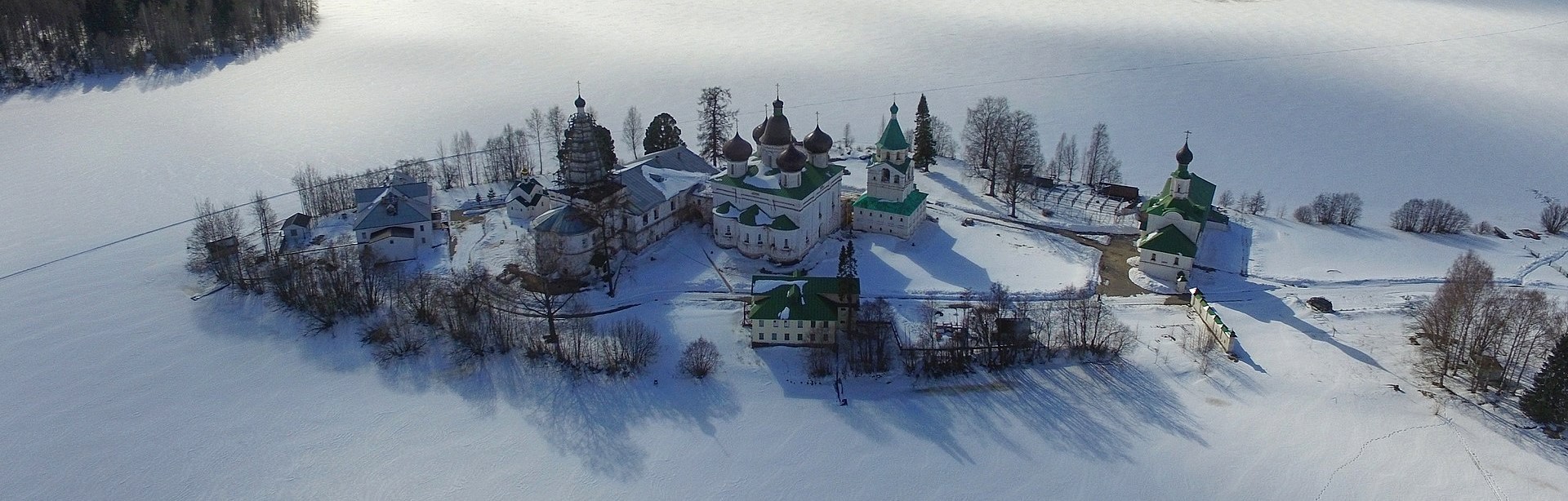
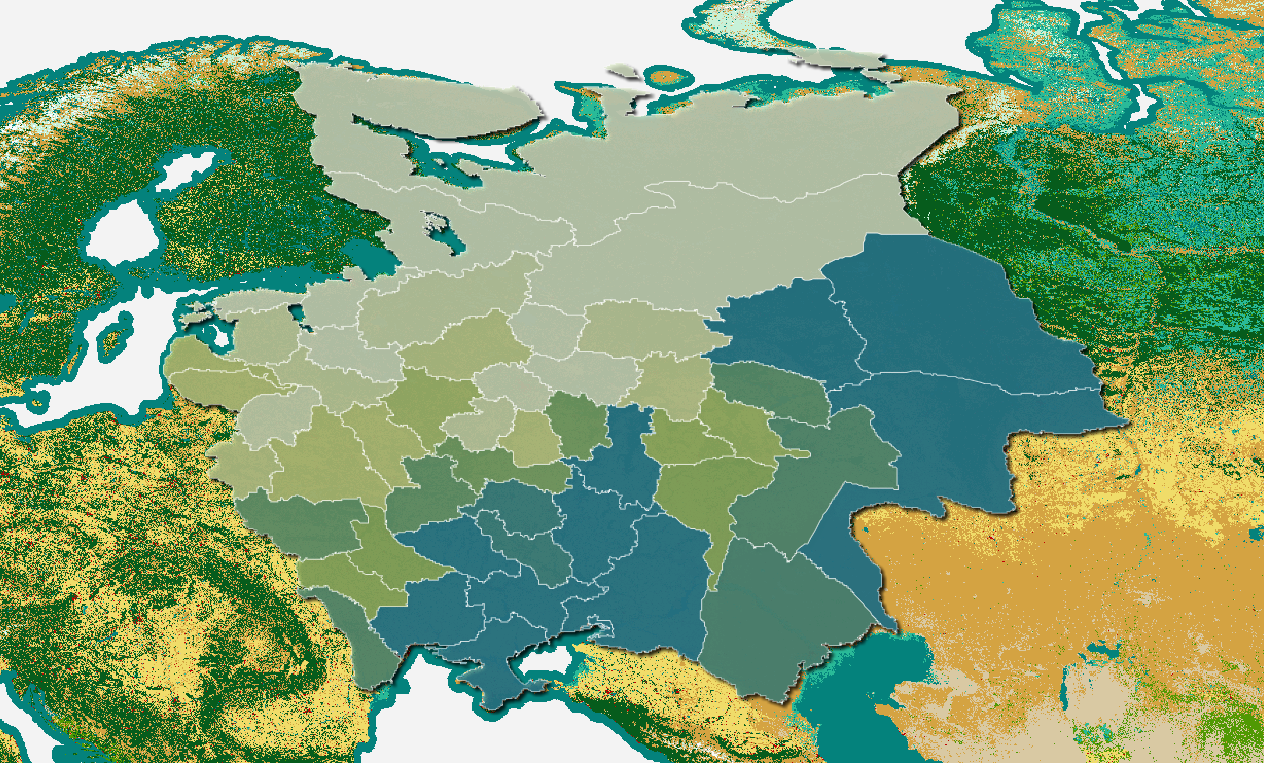
12024-04-25T10:42:02-04:00Paul Vadanf46fd2a7a6d2ab1ecca0ec13c84118eaf61facfaRelics of Empire: Orthodox Monasteries31plain2025-04-25T11:11:48-04:00Kelly O'Neilldc20b45f1d74122ba0d654d19961d826c5a557f5
12024-02-14T14:51:30-05:00Kelly O'Neilldc20b45f1d74122ba0d654d19961d826c5a557f5Farmlands: Counting Sheep54Animals were the engines of empire. Find out where the sheep (and horses and camels) were in the 1860s.plain2025-04-22T16:11:49-04:00Kelly O'Neilldc20b45f1d74122ba0d654d19961d826c5a557f5
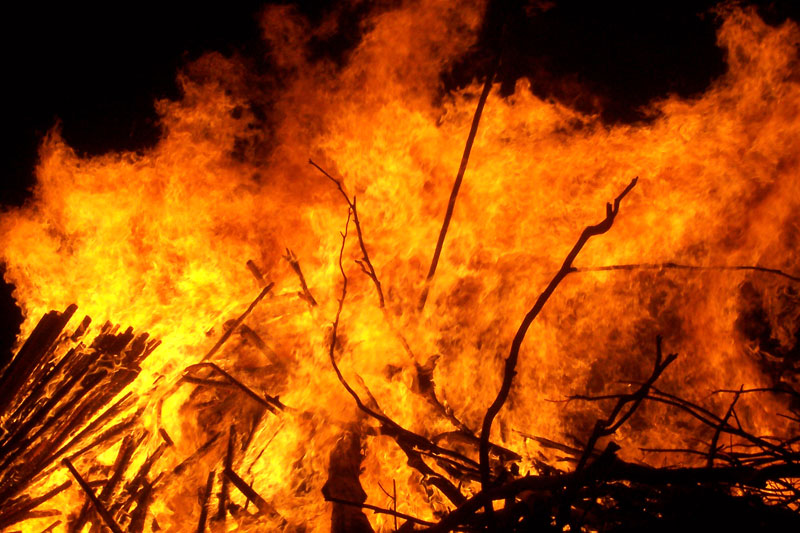
12022-05-06T15:48:43-04:00Kelly O'Neilldc20b45f1d74122ba0d654d19961d826c5a557f5Fields on Fire56Nothing struck fear into the heart of tsarist officials like news that the country was in flames.plain2025-04-28T09:54:43-04:00Paul Vadanf46fd2a7a6d2ab1ecca0ec13c84118eaf61facfa
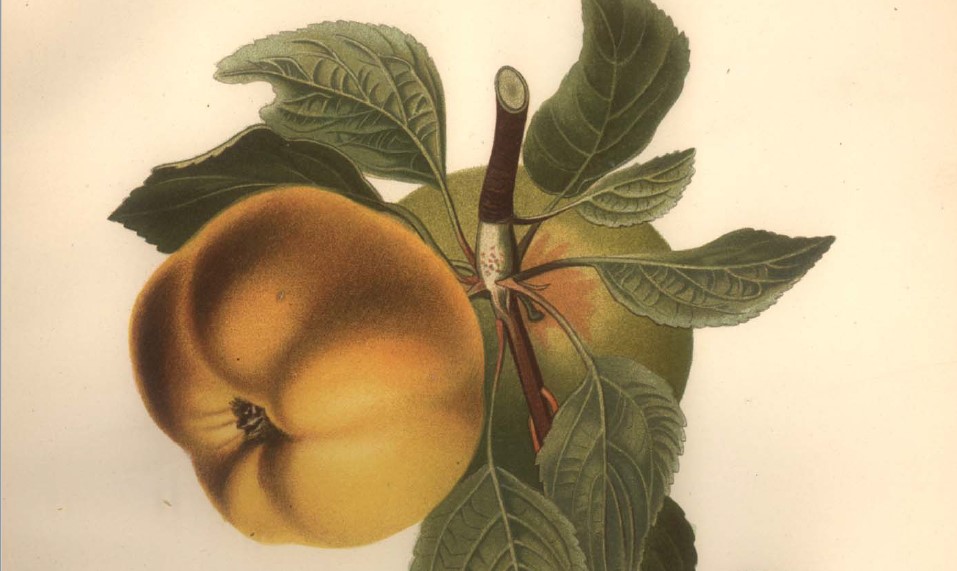
12022-05-06T15:54:15-04:00Kelly O'Neilldc20b45f1d74122ba0d654d19961d826c5a557f5Gardens of Crimea58When Russia annexed Crimea in 1783, property values were driven by salt air... and stone fruit.plain2025-04-25T10:42:09-04:00Kelly O'Neilldc20b45f1d74122ba0d654d19961d826c5a557f5
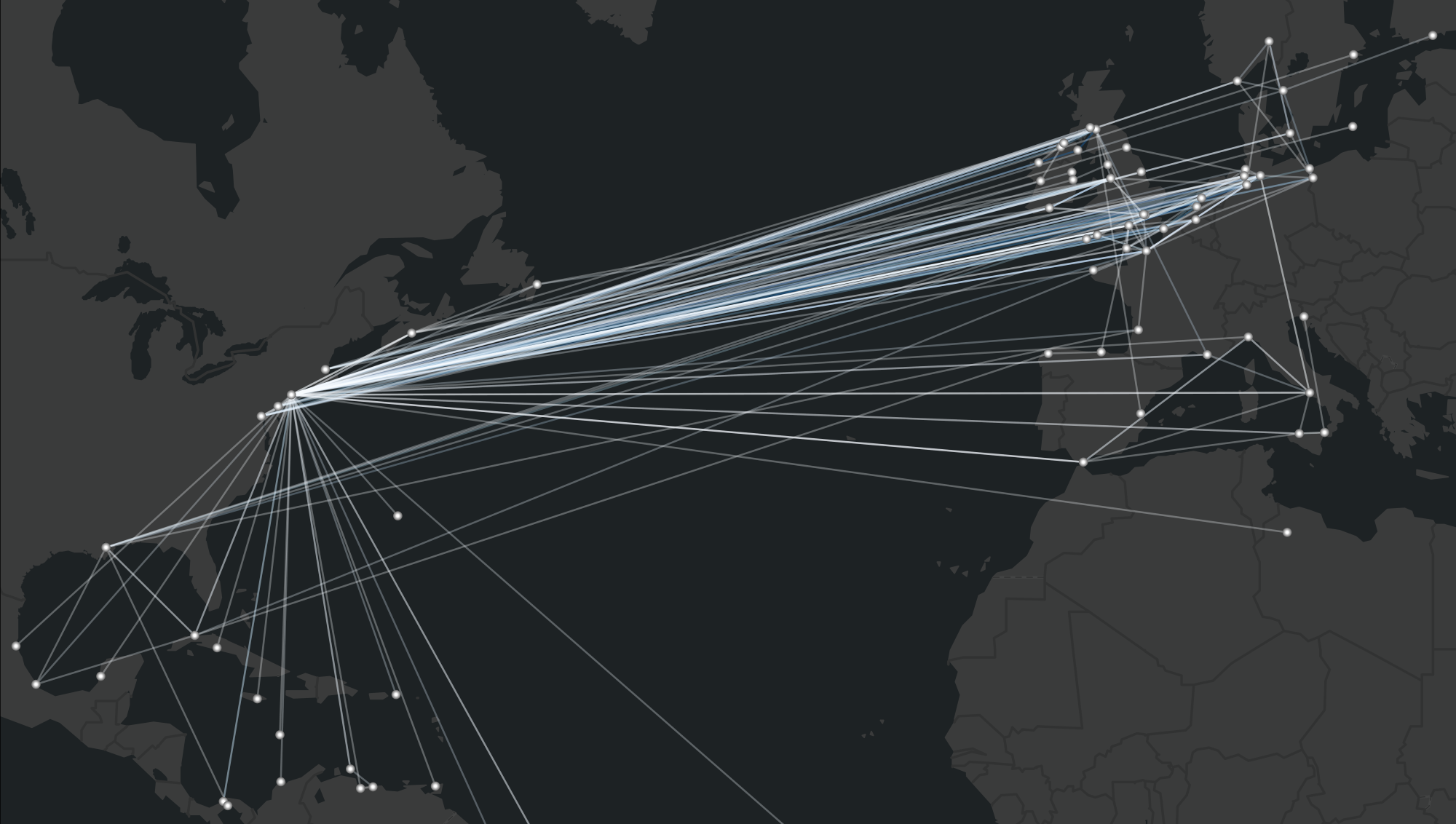
12023-03-16T10:02:01-04:00Yipeng Zhoubaef370094247c455a6c8632f4ff98d54bc4c5eeThe Tsar's Trans-Atlantic Voyagers32Explore the social history of tsarist migration with passenger records from American ports.plain2025-04-25T10:51:50-04:00Kelly O'Neilldc20b45f1d74122ba0d654d19961d826c5a557f5
12022-05-06T15:50:49-04:00Kelly O'Neilldc20b45f1d74122ba0d654d19961d826c5a557f5History through Playing Cards32Explore ethnic, economic, and geographic variation on the cusp of the Great Reforms!plain2024-03-01T11:03:27-05:00Paul Vadanf46fd2a7a6d2ab1ecca0ec13c84118eaf61facfa