The Imperiia Project

Research Dashboards

Page

resourcerdf:resourcehttps://scalar.fas.harvard.edu/imperiia/dashboards
typerdf:typehttp://scalar.usc.edu/2012/01/scalar-ns#Composite
is livescalar:isLive1
thumbnailart:thumbnailhttps://atg-prod-scalar.s3.amazonaws.com/imperiia/media/Hydrographic map of Polesia_crop.jpg
backgroundscalar:backgroundhttps://atg-prod-scalar.s3.amazonaws.com/imperiia/media/Hydrographic map of Polesia_crop.jpg
was attributed toprov:wasAttributedTohttps://scalar.fas.harvard.edu/imperiia/users/34
createddcterms:created2022-05-06T14:45:27-04:00

Version 47

resourcerdf:resourcehttps://scalar.fas.harvard.edu/imperiia/dashboards.47
versionnumberov:versionnumber47
titledcterms:titleResearch Dashboards
descriptiondcterms:descriptionmaps, visualizations, and more
contentsioc:content

We can't intervene in the past. But we can interact with it.

This is one of the most compelling reasons to "do" digital history: suddenly, the historical record feels like a playground or a garden full of warm, rich, soil. You can almost reach out and touch it.

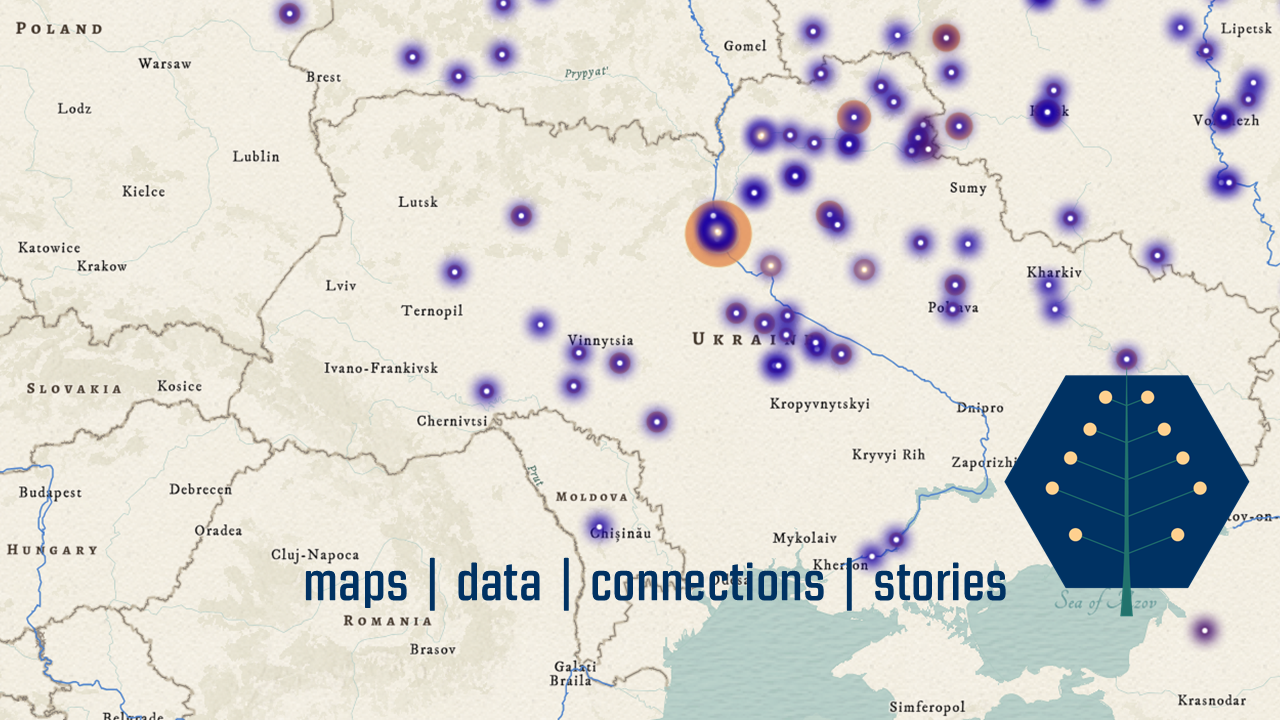
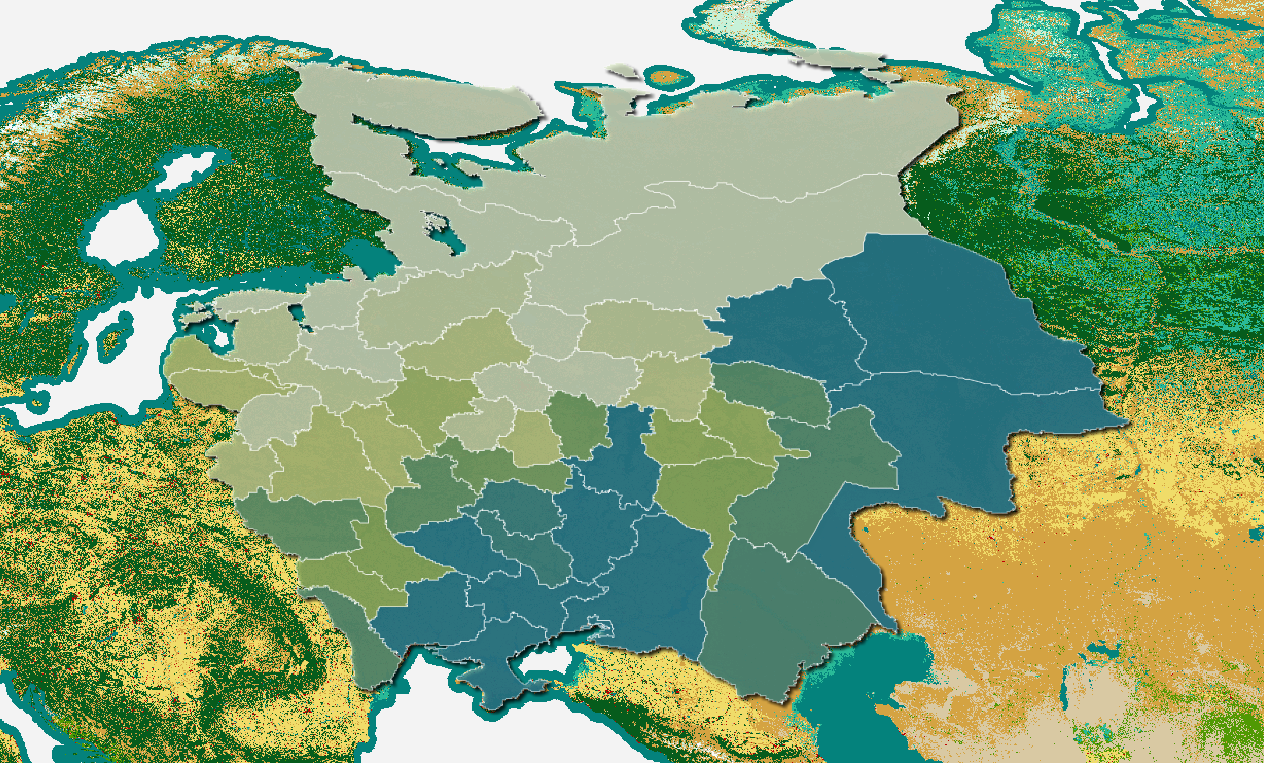
And if you can't actually touch it, you should at least be able to see it. That is where dashboards come in. A dashboard is a set of interconnected visualizations: maps, bar charts, strange and wonderful arrangements of dots, you name it. The idea is that when we publish a dataset, we build a dashboard that makes it easier to see the idiosyncrasies and patterns. Rather than present a linear story, a dashboard encourages you to explore content, generate questions, and maybe even generate together a new piece of (data-driven) history.

You can't break anything, and if something goes wrong along the way, just refresh your browser and dive back in.
default viewscalar:defaultViewvisual_path
was attributed toprov:wasAttributedTohttps://scalar.fas.harvard.edu/imperiia/users/34
createddcterms:created2025-09-24T09:37:28-04:00
typerdf:typehttp://scalar.usc.edu/2012/01/scalar-ns#Version

This page has paths:

Contents of this path:

This page references: