The Novena, contributed by Azul Marmolejo (2025)
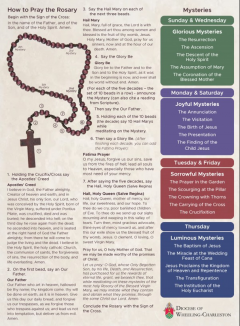
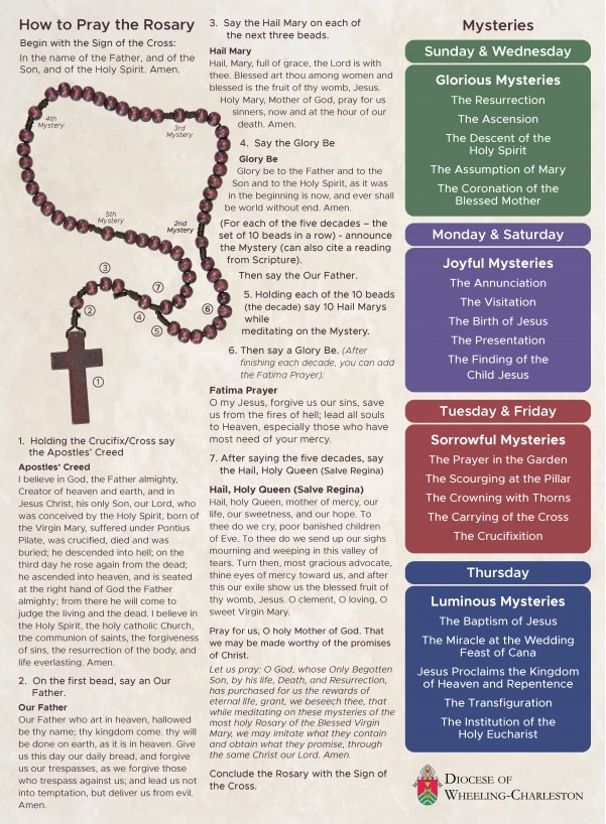
For my Scalar project, I have chosen a rosary used to pray a novena for the dead as an object that helps grapple with times of loss. According to tradition, in 1214, St. Dominic received the rosary prayers in a vision of Mary, the mother of God. Since then, the rosary has become a central practice in Catholic devotion, particularly dedicated to praying for the souls of loved ones who have passed away. In the custom of the novena, families gather to pray each night for nine consecutive days, offering prayers for the repose of the soul. The rosary itself is structured as a string of beads used to count the prayers, primarily the Hail Mary, the Our Father, and the Glory Be. These prayers are organized into sets of “mysteries” that reflect on key events in the life of Jesus: the Joyful, Sorrowful, Glorious, and Luminous mysteries prayed over five decades. Beyond uniting our prayers with those of Mary, each bead (Hail Mary prayer) invites the faithful to repeat the words, “Hail Mary, Mother of God, pray for us sinners, now and at the hour of our death,” keeping the reality of mortality present in our hearts. I have particularly chosen this object not only because it has a very personal meaning to my own grappling with death of loved ones, but also because it allows both the deceased and the living to experience peace from the hope of a fully joyful life after death.