The Imperiia ProjectMain MenuResearch Dashboardsmaps, visualizations, and moreVeles: The Data CatalogOngoing ProjectsThe MapMaker PodcastEvery story starts somewhere.Teach with MapsGalleriesKelly O'Neilldc20b45f1d74122ba0d654d19961d826c5a557f5The Imperiia Project // Davis Center for Russian and Eurasian Studies, Harvard University
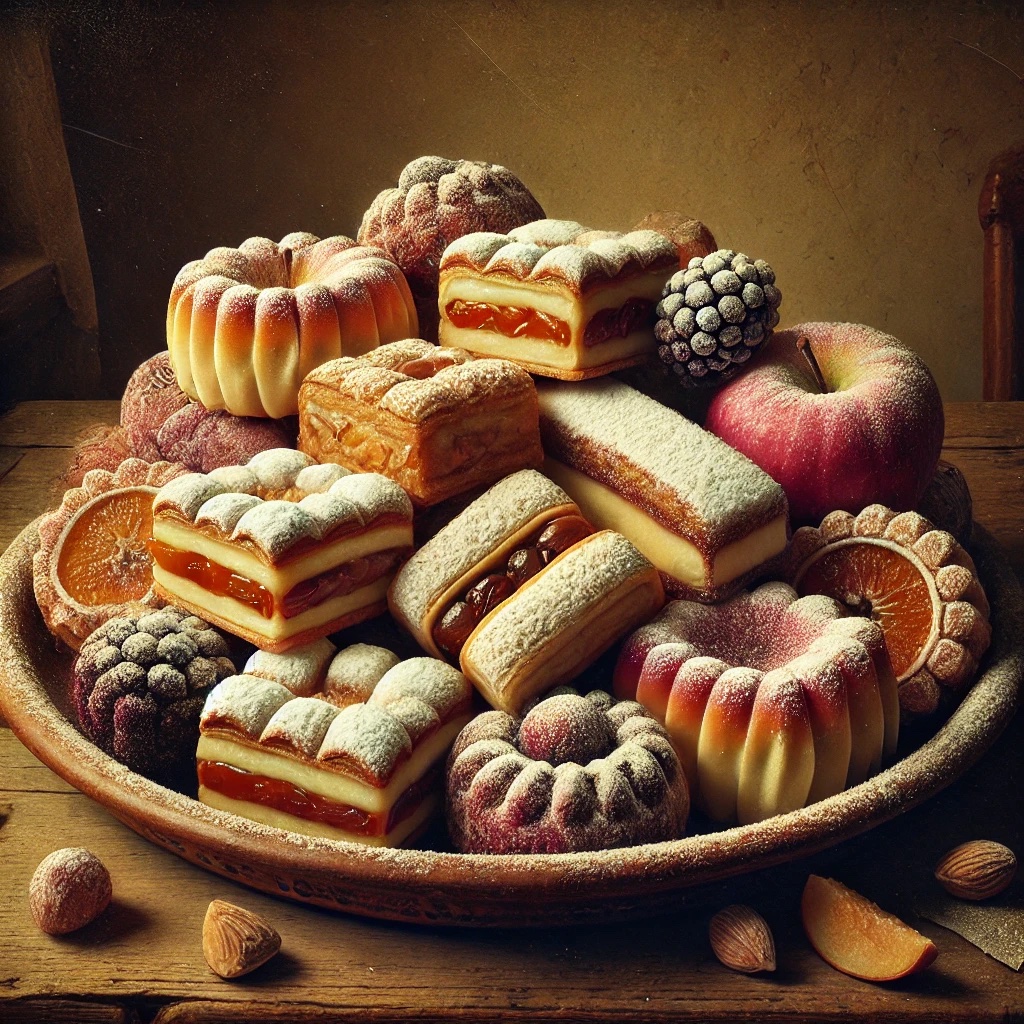
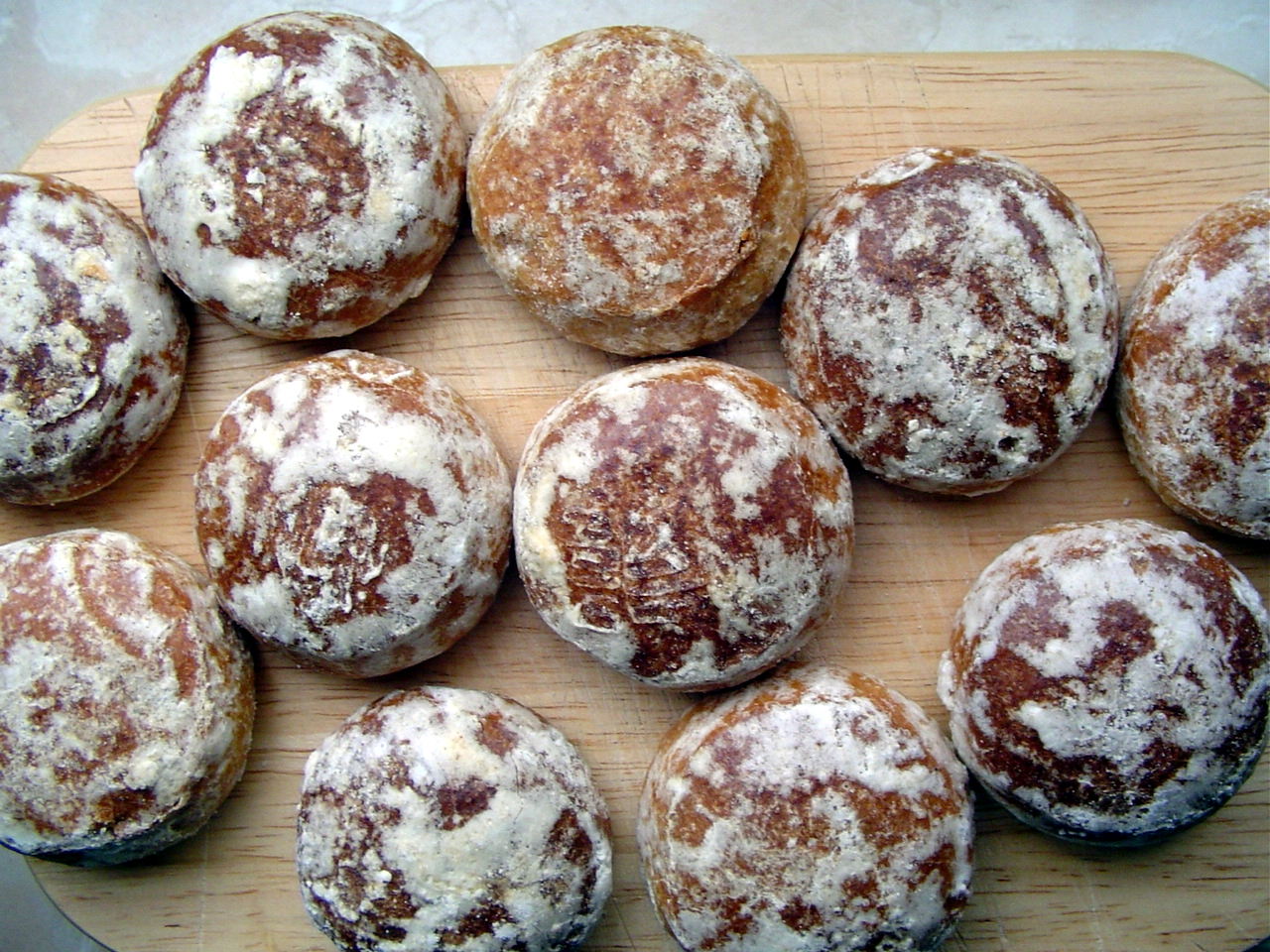
12025-03-10T16:57:58-04:00Olive Colesfb4fbcee067a941cdd754bb445e31c29ce94b225pastila (пастила)14A whipped, oven-dried fruit paste usually made from apples. Or, in the words of the Oxford Companion to Sugar and Sweets, "an ethereal fruit confection that is one of Russia’s oldest sweets, likely dating back to the fourteenth century. It originated as a way to preserve the apple harvest by cooking tart, pectin-rich apples until soft, then sieving them into a purée dried slowly in the oven."plain2025-03-19T13:15:45-04:00generated by Open AI DALL-E Image Generator, version 4o, 2025. Reference image: https://kolomnapastila.ru/Kelly O'Neilldc20b45f1d74122ba0d654d19961d826c5a557f5
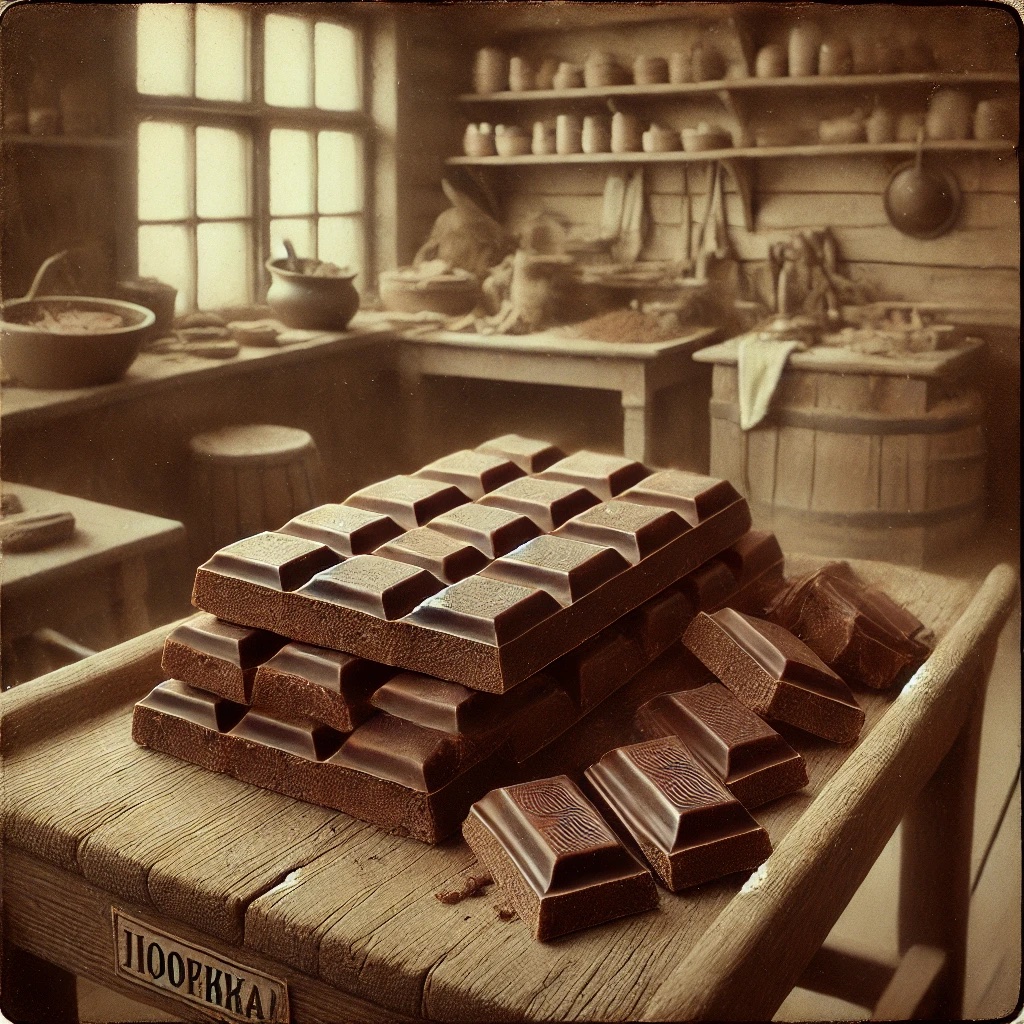
12025-03-10T15:05:58-04:00Olive Colesfb4fbcee067a941cdd754bb445e31c29ce94b225chocolate (шоколад)7In perhaps the most underwhelming definition we have ever seen, "chocolate" is defined (by most standard dictionaries) as a food product made from the culture of cacao. Reference image: https://commons.wikimedia.org/wiki/File:Homemade_Chocolates_01.jpgplain2025-03-13T13:04:48-04:00generated by Open AI DALL-E Image Generator, version 4o, 2025Kelly O'Neilldc20b45f1d74122ba0d654d19961d826c5a557f5
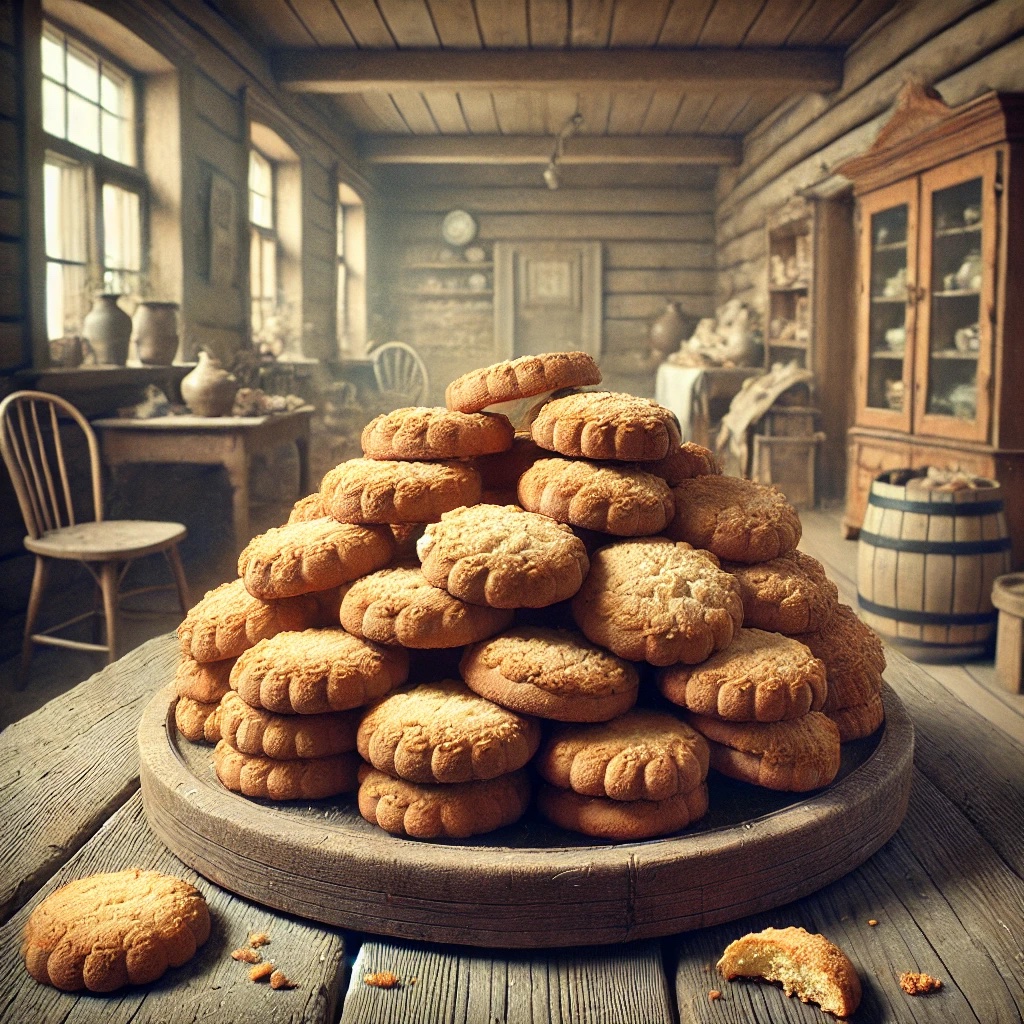
12025-03-10T15:10:19-04:00Olive Colesfb4fbcee067a941cdd754bb445e31c29ce94b225cookie (pechenye, печенье)4The Oxford English Dictionary explains that "cookie" is the term in North American for "flat, sweet, crisp or chewy items known outside of North America as biscuits." See the reference image: https://commons.wikimedia.org/wiki/File:Cookies_made_by_students_of_Baozhong_Junior_High_School_at_the_culinary_class_20121123.jpgplain2025-03-13T12:53:23-04:00Generated by Open AI DALL-E Image Generator, version 4o, 2025Kelly O'Neilldc20b45f1d74122ba0d654d19961d826c5a557f5
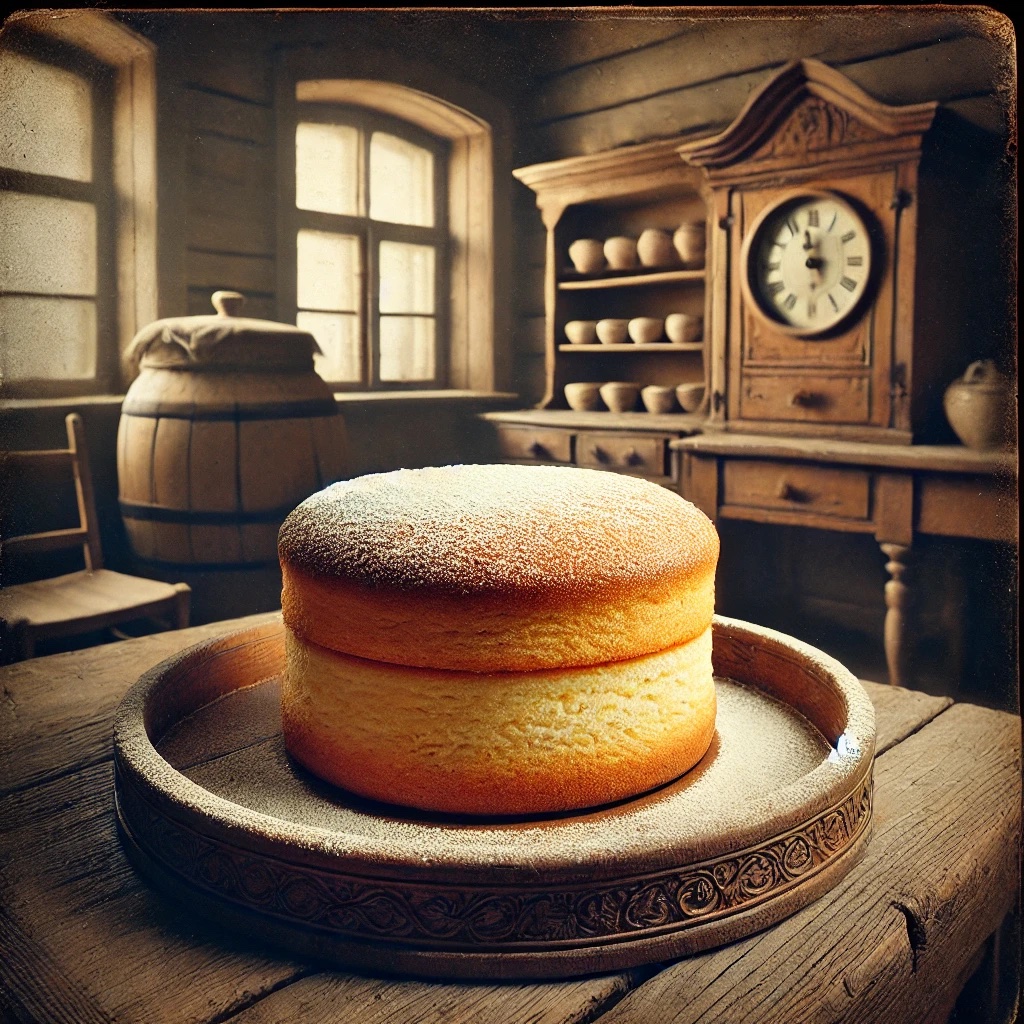
12025-03-10T15:05:11-04:00Olive Colesfb4fbcee067a941cdd754bb445e31c29ce94b225sponge cake (бисквит)4A small round cake from dough. Reference image: https://commons.wikimedia.org/wiki/File:Victoria_sponge.jpgplain2025-03-13T13:28:49-04:00Generated by Open AI DALL-E Image Generator, version 4o, 2025Kelly O'Neilldc20b45f1d74122ba0d654d19961d826c5a557f5
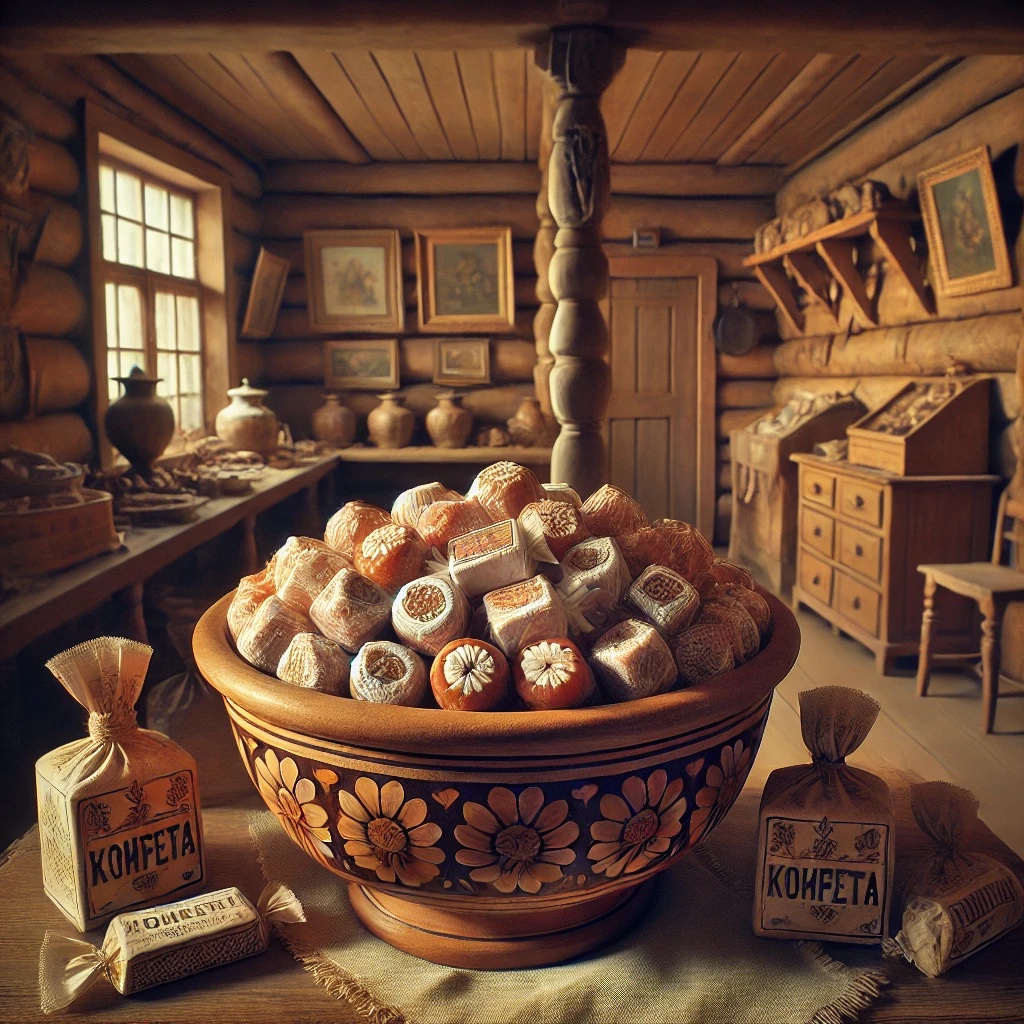
12025-03-10T15:06:24-04:00Olive Colesfb4fbcee067a941cdd754bb445e31c29ce94b225candy (konfeta, конфета)4Reference image: https://commons.wikimedia.org/wiki/File:Candy_6577.jpgplain2025-03-13T13:30:20-04:00Generated by Open AI DALL-E Image Generator, version 4o, 2025Kelly O'Neilldc20b45f1d74122ba0d654d19961d826c5a557f5
12025-03-10T15:08:35-04:00Olive Colesfb4fbcee067a941cdd754bb445e31c29ce94b225lokum (Turkish delight)4A thick, transparent jelly made of starch, sugar, water, and a wide variety of flavorings, such as fruits, nuts, mastic, and rosewater. Reference image: https://commons.wikimedia.org/wiki/File:Lokum_auf_der_Messe_Bremen_02.JPGplain2025-03-13T13:31:27-04:00Generated by Open AI DALL-E Image Generator, version 4o, 2025Kelly O'Neilldc20b45f1d74122ba0d654d19961d826c5a557f5
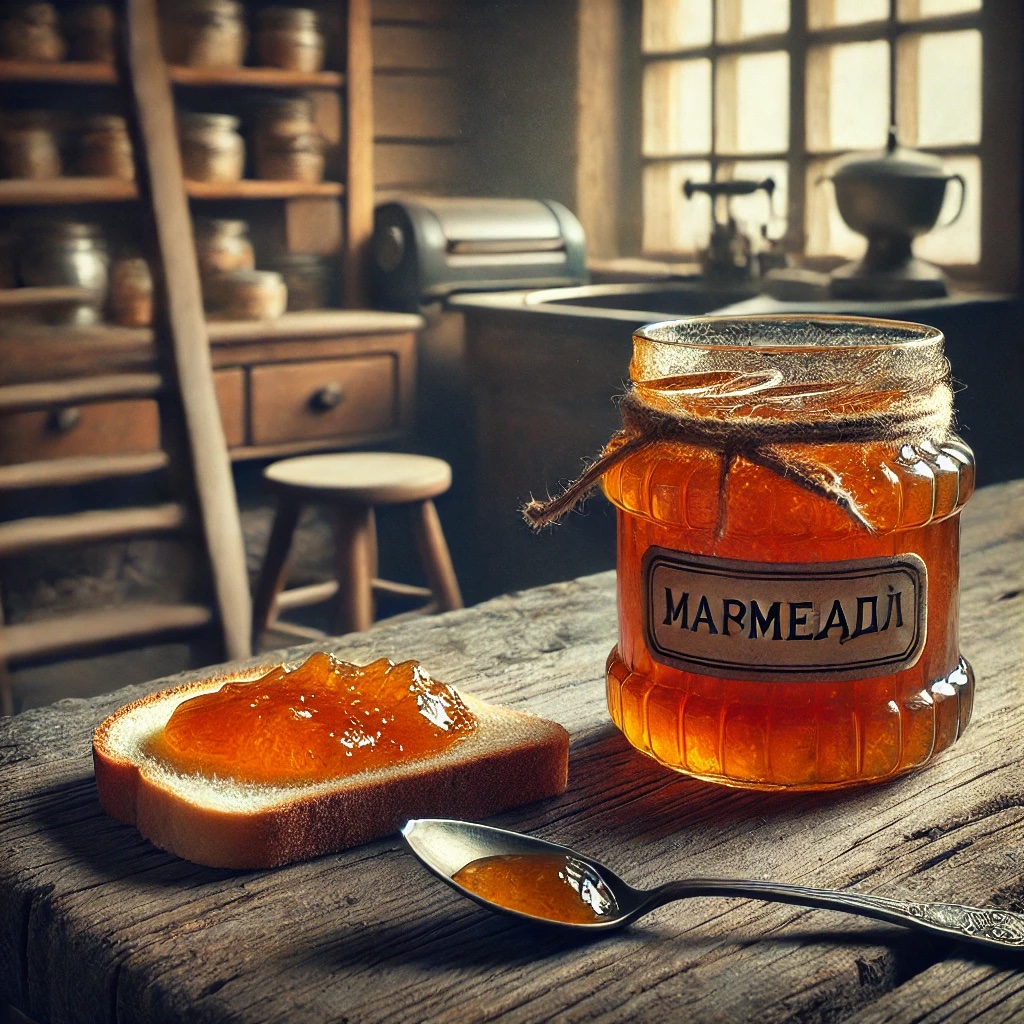
12025-03-10T15:09:18-04:00Olive Colesfb4fbcee067a941cdd754bb445e31c29ce94b225marmalade (мармелад)4"a chunky, sweet-sharp, semi-liquid jelly laced with chopped Seville (bitter) orange peels" (Oxford Companion to Sugar and Sweets). Reference image: https://commons.wikimedia.org/wiki/File:Orange_marmalade-3.jpgplain2025-03-13T13:33:46-04:00Generated by Open AI DALL-E Image Generator, version 4o, 2025Kelly O'Neilldc20b45f1d74122ba0d654d19961d826c5a557f5
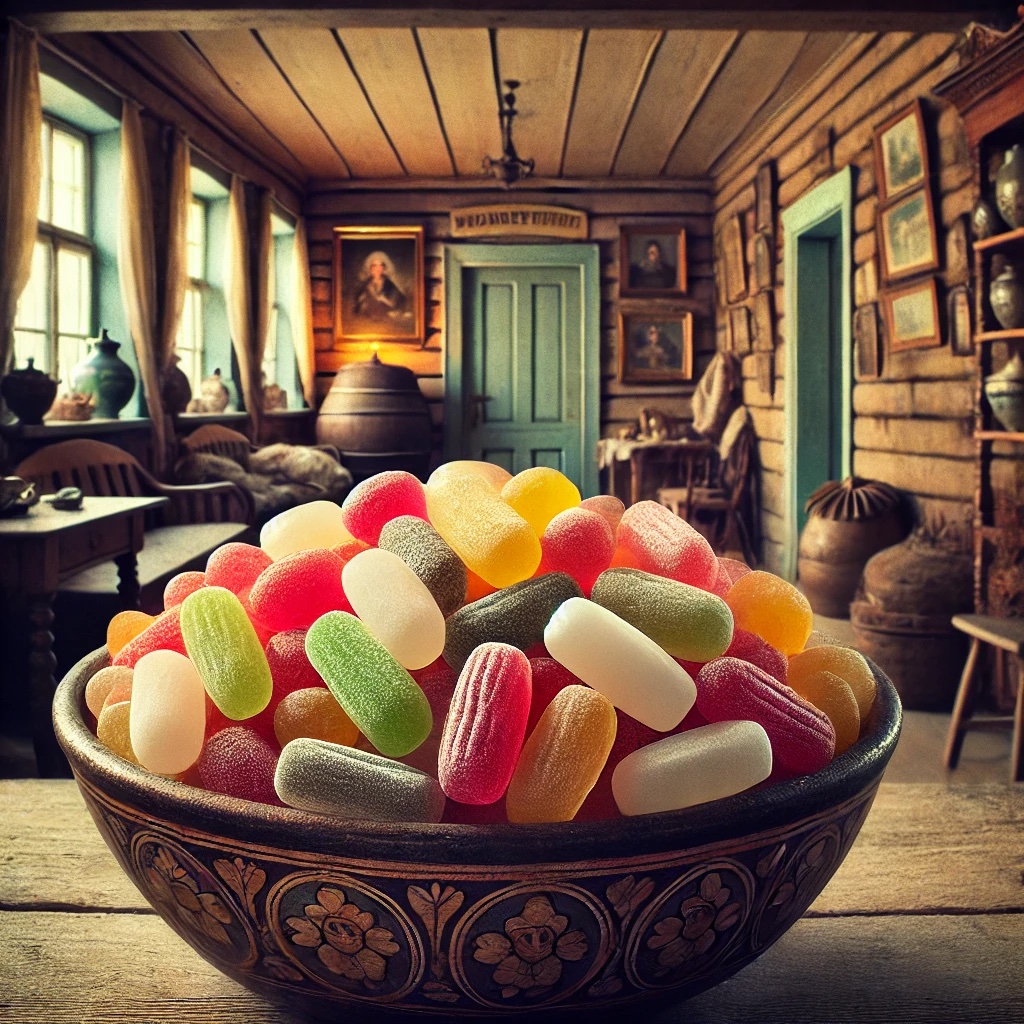
12025-03-10T15:09:39-04:00Olive Colesfb4fbcee067a941cdd754bb445e31c29ce94b225montpensier (монпенсье)4caramel-based candy or lollipopplain2025-03-13T13:38:41-04:00Generated by Open AI DALL-E Image Generator, version 4o, 2025Kelly O'Neilldc20b45f1d74122ba0d654d19961d826c5a557f5
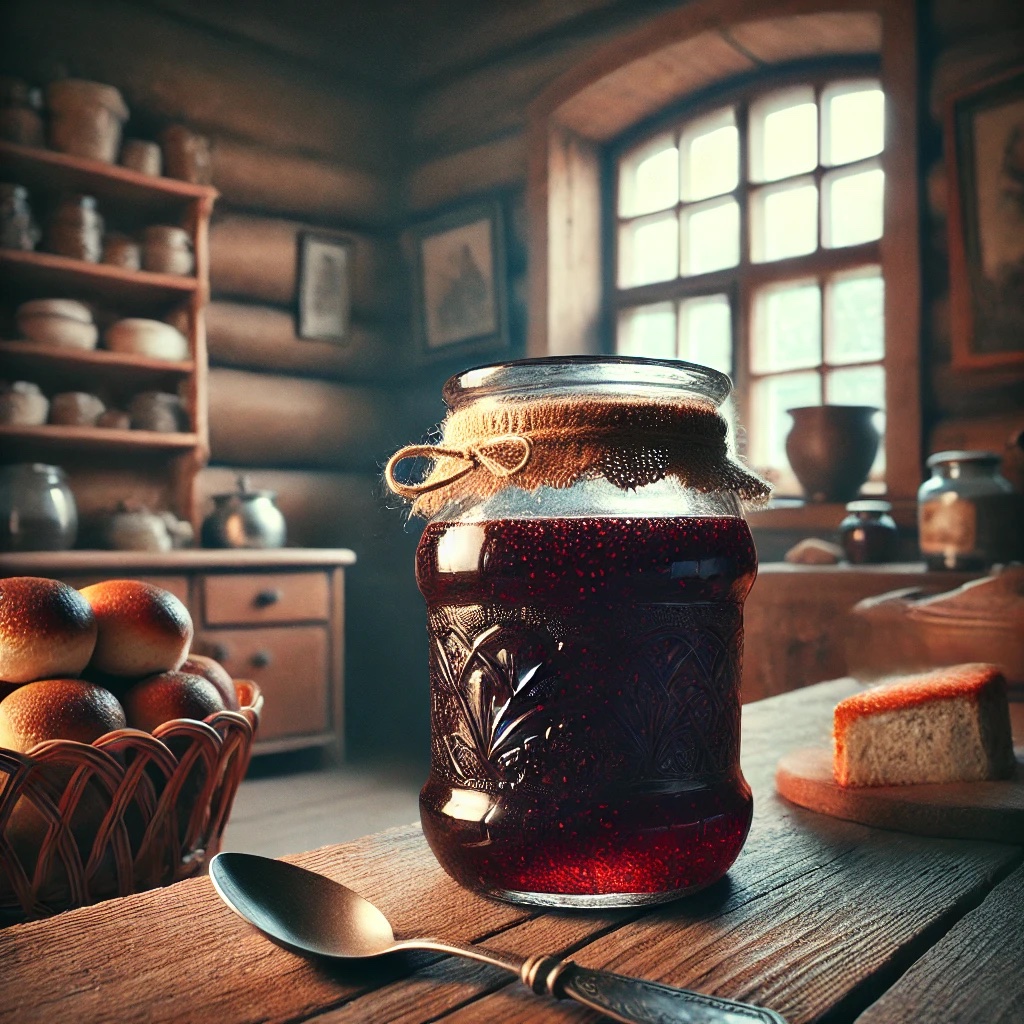
12025-03-10T15:12:11-04:00Olive Colesfb4fbcee067a941cdd754bb445e31c29ce94b225preserves (варенье)4Fruit cooked with sugar to create jam, jelly, conserve, syrup, compote, or curd. Reference image: https://commons.wikimedia.org/wiki/File:Glaswithvarenie.JPGplain2025-03-13T13:42:24-04:00Generated by Open AI DALL-E Image Generator, version 4o, 2025Kelly O'Neilldc20b45f1d74122ba0d654d19961d826c5a557f5
12025-03-10T15:05:32-04:00Olive Colesfb4fbcee067a941cdd754bb445e31c29ce94b225caramel (карамель)3In the words of the Oxford Companion, "small sweets created by cooking glucose, sugar, and milk or cream together with butter and flavoring to yield a confection that is opaque, medium brown in color, and with a texture that ranges from soft to medium-hard and chewy." Reference image: https://www.wikidata.org/wiki/Q11310970plain2025-03-13T13:02:05-04:00Generated by Open AI DALL-E Image Generator, version 4o, 2025Kelly O'Neilldc20b45f1d74122ba0d654d19961d826c5a557f5
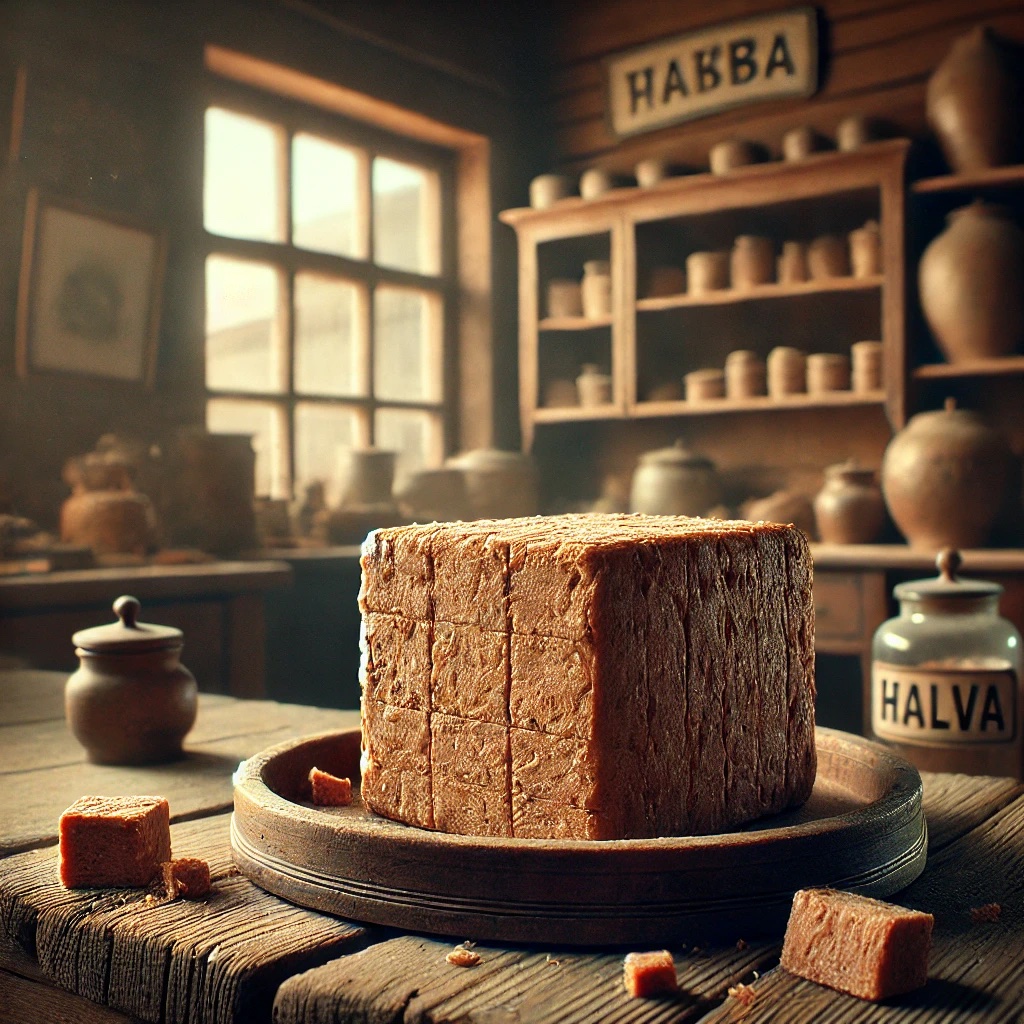
12025-03-10T15:08:14-04:00Olive Colesfb4fbcee067a941cdd754bb445e31c29ce94b225halva (халва)3A confection in many varieties made in which tahini, sugar, sesame seeds and soapwort are common ingredients. Reference image: https://www.wikidata.org/wiki/Q183599plain2025-03-13T13:46:50-04:00Generated by Open AI DALL-E Image Generator, version 4o, 2025Kelly O'Neilldc20b45f1d74122ba0d654d19961d826c5a557f5
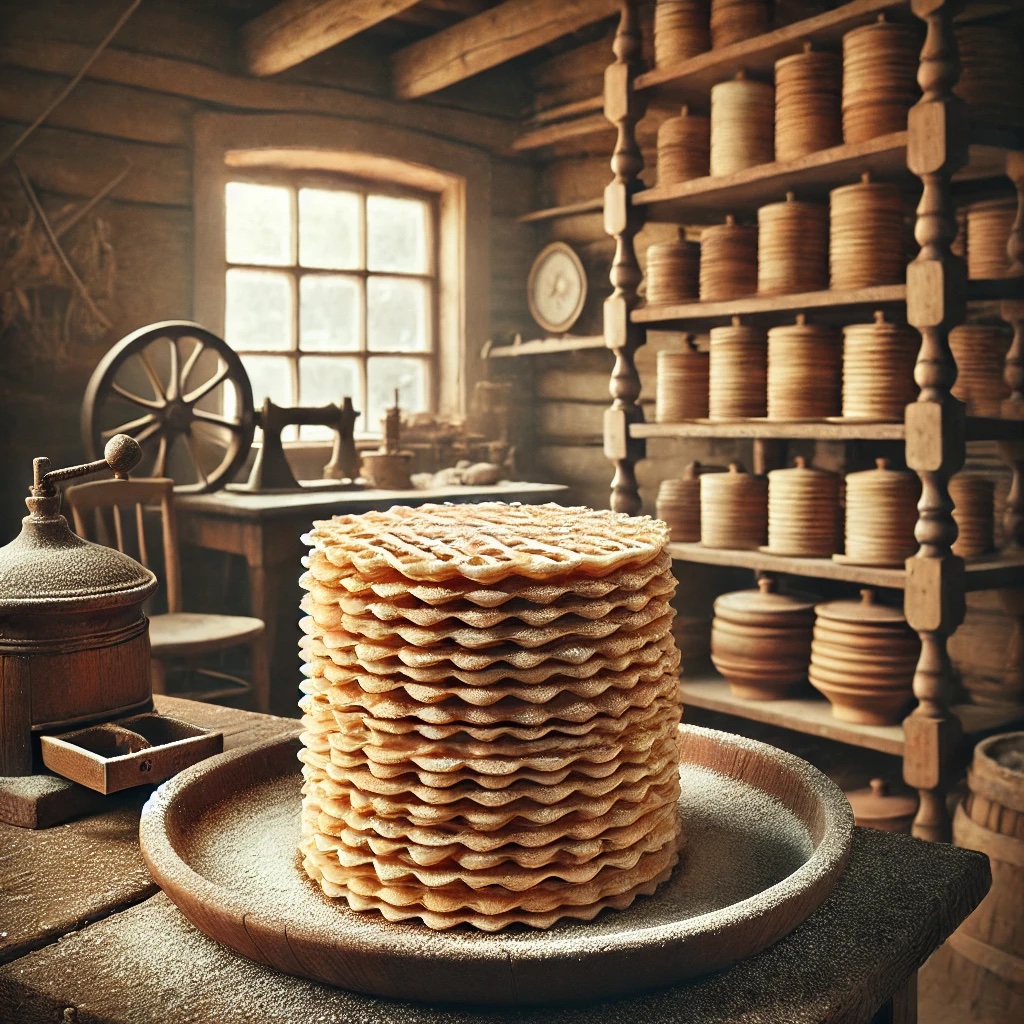
12025-03-10T15:13:12-04:00Olive Colesfb4fbcee067a941cdd754bb445e31c29ce94b225wafers (вафли)2"thin, crisp sheets made by cooking batter between flat metal plates" (so says the Oxford Companion). Reference image:plain2025-03-13T13:15:16-04:00Generated by Open AI DALL-E Image Generator, version 4o, 2025Kelly O'Neilldc20b45f1d74122ba0d654d19961d826c5a557f5
Then again, it wasn't easy to find chocolate in the Russian Empire. Access to sweets has always been a function of social status. And religious beliefs. And cultural practices associated with health and family. And location. And soil quality. And the availability of steam engines. (You didn't see that one coming, did you!)
Most people see confections as a sidenote in the broader history of production, which focuses on the heavy-hitters of the economy: iron, steel, and textiles. But sweet things, filled as they are with cream and sugar and butter and fruit, matter. As Darra Goldstein points out in the introduction to the Oxford Companion to Sugar and Sweets, "sugar was once rare, prized not only for its sweetness but also for its preservative properties." To desire sugar is to be human, but for most of history its consumption was a practice of the wealthy. In Europe, the ability of the lower classes to satisfy their craving is the story of the 19th century boom in sugar beet production. Until then, most people consumed sweets made with honey or fruit. They prepared them at home and served them on plates at the holiday table.
A Slice of History: Industrialization in the Russian Empire
In 1887 the Department of Trade and Manufactures, part of the Ministry of Finance, published an index of factories operating in what was known as European Russia and the Kingdom of Poland. The bulk of the volume is devoted to textile factories. The sections on timber goods, chemicals, and machinery/metals compete for a distant third place. But second place (in terms of the sheer number of factories) goes to the production of foodstuffs.
If you are researching the history of confectioners and chocolatiers, or generally interested in the sweets revolution of the 19th century, this is a great place to start. The volume organizes foodstuffs into subsections for 1) flour milling, 2) cereals, 3) butter, 4) starches, 5) treacle, 6) malt, 7) pasta, gingerbread, and confections, 8) coffee and its surrogates, 9) preserved meats, 10) cheese, 11) yeast, 12) vinegar, 13) artificial mineral water and sparkling beverages. Data collection across the provinces was inconsistent, but each entry includes some combination of the following:
factory owner by name and social status
factory location by town and (sometimes) street
annual production measured in weight and value
number of workers
number of steam engines and mechanized parts
the type and quantity of goods produced.
Thanks to this source, we know there were 162 confection factories spread across 41 towns in 22 provinces. Together they produced well over 11,000 tons of confection on an annual basis: over 11,000 tons of cake, candy, caramel, chocolate, and cookies. (The numbers are approximate because the Index included only factories producing goods worth more than 2,000 rubles per year: countless small shops produced confections in addition to those documented here. Moreover, many entries lack data on production quantity or value.)
Get Acquainted with 19th Century Confections
The only thing better than tasting them is looking at them! Take a moment to flip through our gallery of confection illustrations. (Curious how we built it?). Rest your cursor on the confection name displayed on the left to learn more.