The Imperiia ProjectMain MenuResearch Dashboardsmaps, visualizations, and moreVeles: The Data CatalogOngoing ProjectsThe MapMaker PodcastEvery story starts somewhere.Teach with MapsGalleriesKelly O'Neilldc20b45f1d74122ba0d654d19961d826c5a557f5The Imperiia Project // Davis Center for Russian and Eurasian Studies, Harvard University
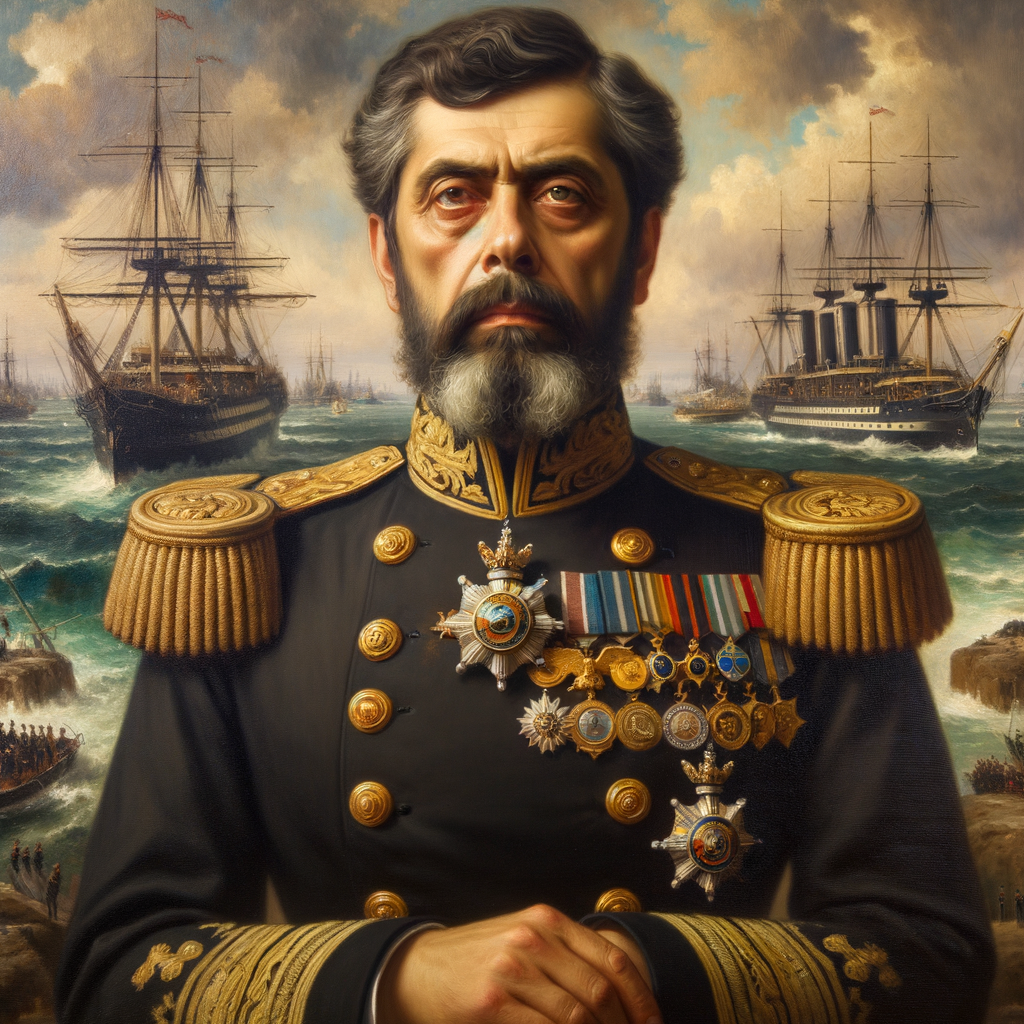
Don't let the facial hair fool you.
12024-09-23T08:05:59-04:00Kelly O'Neilldc20b45f1d74122ba0d654d19961d826c5a557f594plain2024-09-23T12:30:11-04:00Kelly O'Neilldc20b45f1d74122ba0d654d19961d826c5a557f5DALL-E doesn't seem convinced that members of the Russian elite, including military officers, did not wear beards in the 18th century. Fact is, though, beards were for peasants, not men of rank. (Have a look at Prince Zubov!) Golenkin entered the navy in 1760, sailing the Baltic and Black seas. He was commander of the port of Sevastopol before being assigned to Kherson in 1795, just months before the events of August 1796.
Contents of this annotation:
12024-09-13T12:20:39-04:00Olive Colesfb4fbcee067a941cdd754bb445e31c29ce94b225Gavril "Don't Come Crying to Me" Golenkin3As commander of port of Kherson, Gavril Koz'mich is a major player in the region. Yakovlev writes to him requesting reinforcements to help head off any rioting or looting of watermelons.plain2024-09-20T09:16:44-04:00Kelly O'Neilldc20b45f1d74122ba0d654d19961d826c5a557f5