The Imperiia ProjectMain MenuResearch Dashboardsmaps, visualizations, and moreVeles: The Data CatalogOngoing ProjectsThe MapMaker PodcastEvery story starts somewhere.Teach with MapsGalleriesKelly O'Neilldc20b45f1d74122ba0d654d19961d826c5a557f5The Imperiia Project // Davis Center for Russian and Eurasian Studies, Harvard University
A plum among them
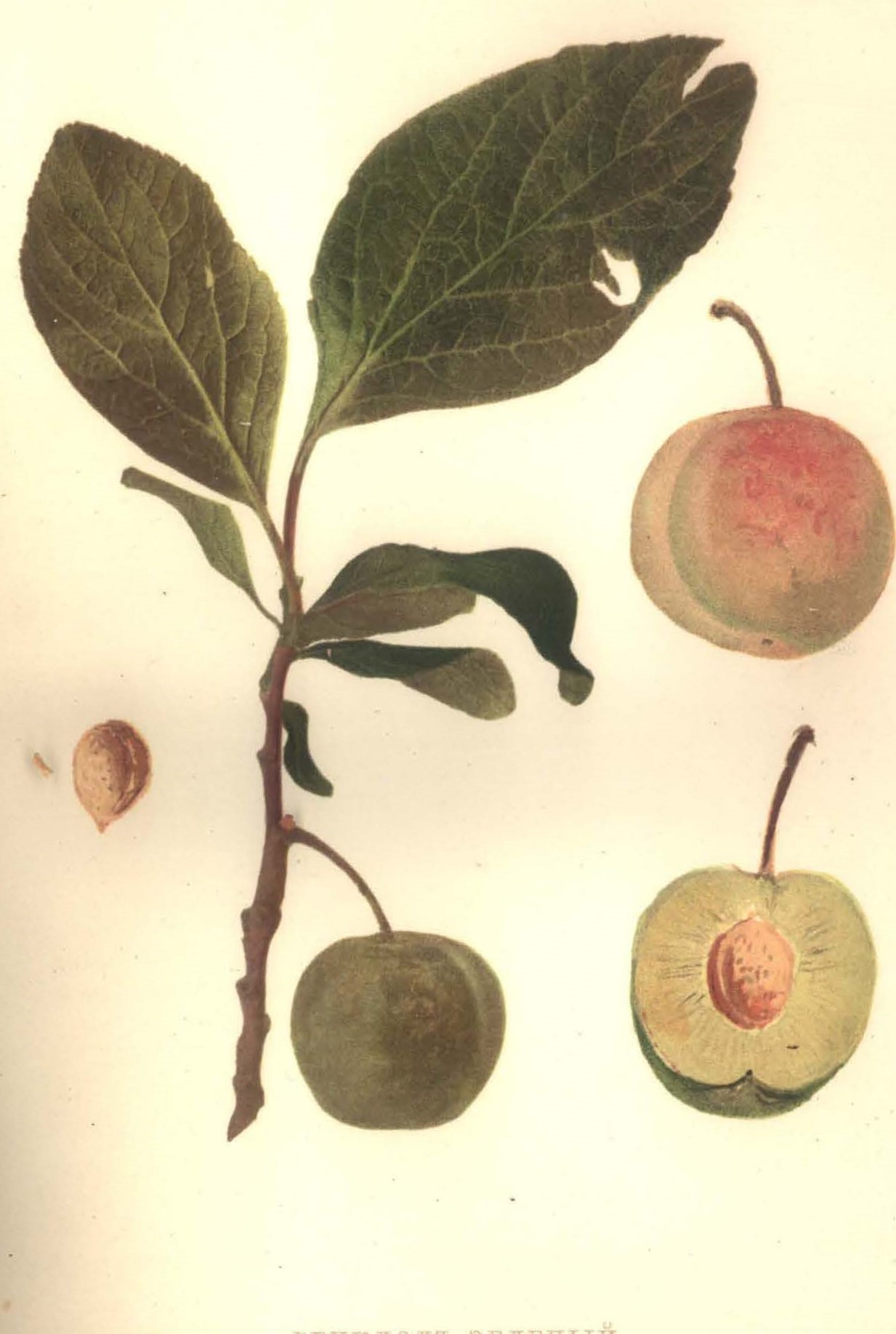
12022-07-01T10:47:31-04:00Kelly O'Neilldc20b45f1d74122ba0d654d19961d826c5a557f592plain2022-07-01T10:48:43-04:00Kelly O'Neilldc20b45f1d74122ba0d654d19961d826c5a557f5Abram Pastak tells us that in turn-of-the-century Crimea "no one is planting plum gardens." Instead, growers have learned to intersperse plum trees among apples and pears, at a distance of 4 sazhens (28 feet). (see page 429 of the Atlas of Fruits)
Prevalence in tree population: 40% (6,272 trees) Occurrence rate: 93%
The plum is by far the dominant tree on the orchard registers (hazelnuts are a distant second with 14% of the tree population). Plums were widespread and prominent, with an average of 224 trees in the collected gardens of each village (whereas the average number of apple trees was 25).