This page was created by Nadav Asraf.
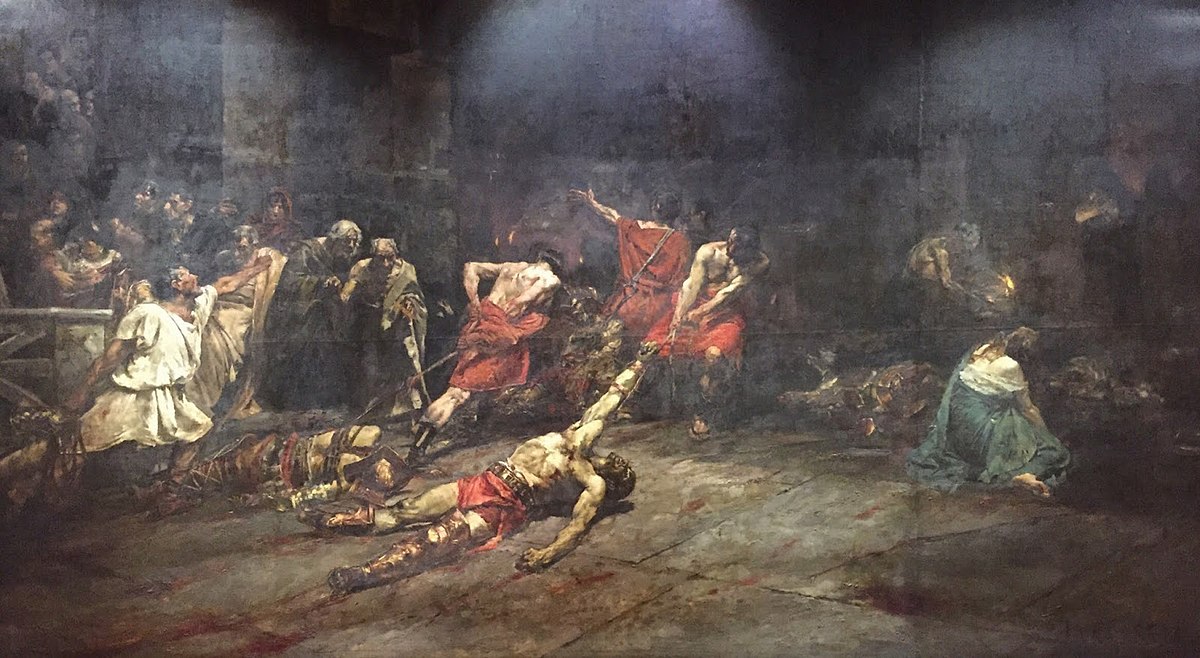
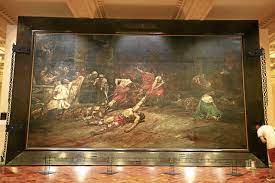
"Spoliarium" by Juan Luna (1884), contributed by Laurinne Eugenio (2023)
1 2024-01-15T15:07:57-05:00 Nadav Asraf 8e4eca098020db2b9ad1ca0b6acddc456957f76e 73 5 plain 2024-01-16T10:18:37-05:00 Nadav Asraf 8e4eca098020db2b9ad1ca0b6acddc456957f76ePage
| resource | rdf:resource | https://scalar.fas.harvard.edu/resources-for-loss/spoliarium-by-juan-luna-1884-contributed-by-laurinne-eugenio-2023 |
| type | rdf:type | http://scalar.usc.edu/2012/01/scalar-ns#Composite |
| is live | scalar:isLive | 1 |
| was attributed to | prov:wasAttributedTo | https://scalar.fas.harvard.edu/resources-for-loss/users/1229 |
| created | dcterms:created | 2024-01-15T15:07:57-05:00 |
Version 5
| resource | rdf:resource | https://scalar.fas.harvard.edu/resources-for-loss/spoliarium-by-juan-luna-1884-contributed-by-laurinne-eugenio-2023.5 |
| versionnumber | ov:versionnumber | 5 |
| title | dcterms:title | "Spoliarium" by Juan Luna (1884), contributed by Laurinne Eugenio (2023) |
| content | sioc:content | “Spoliarium” is a famous artwork by the Filipino painter Juan Luna in 1884. The “spoliarium” was the place where Roman gladiators were stripped of their armor after defeat in the amphitheatre. “Luna’s painting reflects the cultural and political context of the Philippines during its colonial period. It was created while the Philippines was under Spanish rule, and Luna used it as a way to criticize the oppressive colonial government and the exploitation of the Filipino people. The painting expresses Luna's strong sense of nationalism and his desire for freedom and justice for his fellow Filipinos. “Spoliarium” played a role in inspiring Filipinos to stand up against the political oppression imposed by their Spanish colonizers. |
| default view | scalar:defaultView | plain |
| was attributed to | prov:wasAttributedTo | https://scalar.fas.harvard.edu/resources-for-loss/users/1229 |
| created | dcterms:created | 2024-01-16T10:18:37-05:00 |
| type | rdf:type | http://scalar.usc.edu/2012/01/scalar-ns#Version |
Version 4
| resource | rdf:resource | https://scalar.fas.harvard.edu/resources-for-loss/spoliarium-by-juan-luna-1884-contributed-by-laurinne-eugenio-2023.4 |
| versionnumber | ov:versionnumber | 4 |
| title | dcterms:title | "Spoliarium" by Juan Luna (1884), contributed by Laurinne Eugenio (2023) |
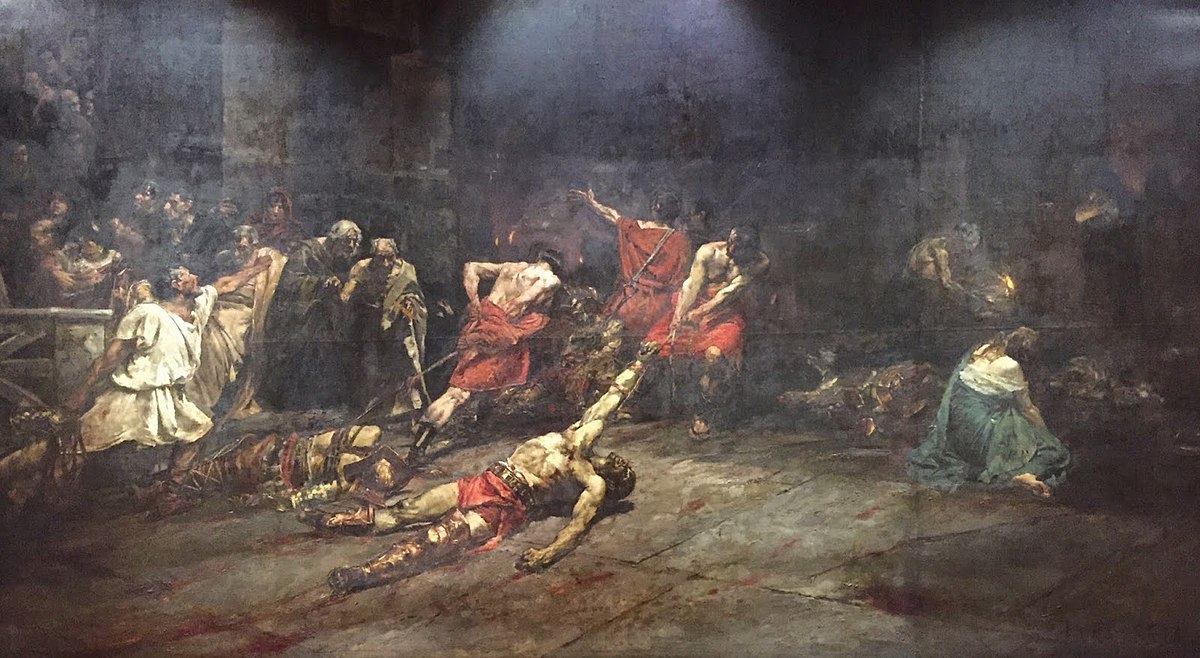
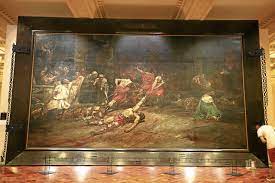
| content | sioc:content | “Spoliarium” is a famous artwork by the Filipino painter Juan Luna in 1884. The “spoliarium” was the place where Roman gladiators were stripped of their armor after defeat in the amphitheatre. “Luna’s painting reflects the cultural and political context of the Philippines during its colonial period. It was created while the Philippines was under Spanish rule, and Luna used it as a way to criticize the oppressive colonial government and the exploitation of the Filipino people. The painting expresses Luna's strong sense of nationalism and his desire for freedom and justice for his fellow Filipinos. “Spoliarium” played a role in inspiring Filipinos to stand up against the political oppression imposed by their Spanish colonizers. |
| default view | scalar:defaultView | plain |
| was attributed to | prov:wasAttributedTo | https://scalar.fas.harvard.edu/resources-for-loss/users/1229 |
| created | dcterms:created | 2024-01-15T15:13:11-05:00 |
| type | rdf:type | http://scalar.usc.edu/2012/01/scalar-ns#Version |
Version 3
| resource | rdf:resource | https://scalar.fas.harvard.edu/resources-for-loss/spoliarium-by-juan-luna-1884-contributed-by-laurinne-eugenio-2023.3 |
| versionnumber | ov:versionnumber | 3 |
| title | dcterms:title | "Spoliarium" by Juan Luna (1884), contributed by Laurinne Eugenio (2023) |
| content | sioc:content | “Spoliarium” is a famous artwork by the Filipino painter Juan Luna in 1884. The “spoliarium” was the place where Roman gladiators were stripped of their armor after defeat in the amphitheatre. “Luna’s painting reflects the cultural and political context of the Philippines during its colonial period. It was created while the Philippines was under Spanish rule, and Luna used it as a way to criticize the oppressive colonial government and the exploitation of the Filipino people. The painting expresses Luna's strong sense of nationalism and his desire for freedom and justice for his fellow Filipinos. “Spoliarium” played a role in inspiring Filipinos to stand up against the political oppression imposed by their Spanish colonizers. |
| default view | scalar:defaultView | plain |
| was attributed to | prov:wasAttributedTo | https://scalar.fas.harvard.edu/resources-for-loss/users/1229 |
| created | dcterms:created | 2024-01-15T15:08:52-05:00 |
| type | rdf:type | http://scalar.usc.edu/2012/01/scalar-ns#Version |
Version 2
| resource | rdf:resource | https://scalar.fas.harvard.edu/resources-for-loss/spoliarium-by-juan-luna-1884-contributed-by-laurinne-eugenio-2023.2 |
| versionnumber | ov:versionnumber | 2 |
| title | dcterms:title | "Spoliarium" by Juan Luna (1884), contributed by Laurinne Eugenio (2023) |
| content | sioc:content | “Spoliarium” is a famous artwork by the Filipino painter Juan Luna in 1884. The “spoliarium” was the place where Roman gladiators were stripped of their armor after defeat in the amphitheatre. “Luna’s painting reflects the cultural and political context of the Philippines during its colonial period. It was created while the Philippines was under Spanish rule, and Luna used it as a way to criticize the oppressive colonial government and the exploitation of the Filipino people. The painting expresses Luna's strong sense of nationalism and his desire for freedom and justice for his fellow Filipinos. “Spoliarium” played a role in inspiring Filipinos to stand up against the political oppression imposed by their Spanish colonizers. |
| default view | scalar:defaultView | plain |
| was attributed to | prov:wasAttributedTo | https://scalar.fas.harvard.edu/resources-for-loss/users/1229 |
| created | dcterms:created | 2024-01-15T15:08:42-05:00 |
| type | rdf:type | http://scalar.usc.edu/2012/01/scalar-ns#Version |
Version 1
| resource | rdf:resource | https://scalar.fas.harvard.edu/resources-for-loss/spoliarium-by-juan-luna-1884-contributed-by-laurinne-eugenio-2023.1 |
| versionnumber | ov:versionnumber | 1 |
| title | dcterms:title | "Spoliarium" by Juan Luna (1884), contributed by Laurinne Eugenio (2023) |
| default view | scalar:defaultView | plain |
| was attributed to | prov:wasAttributedTo | https://scalar.fas.harvard.edu/resources-for-loss/users/1229 |
| created | dcterms:created | 2024-01-15T15:07:57-05:00 |
| type | rdf:type | http://scalar.usc.edu/2012/01/scalar-ns#Version |